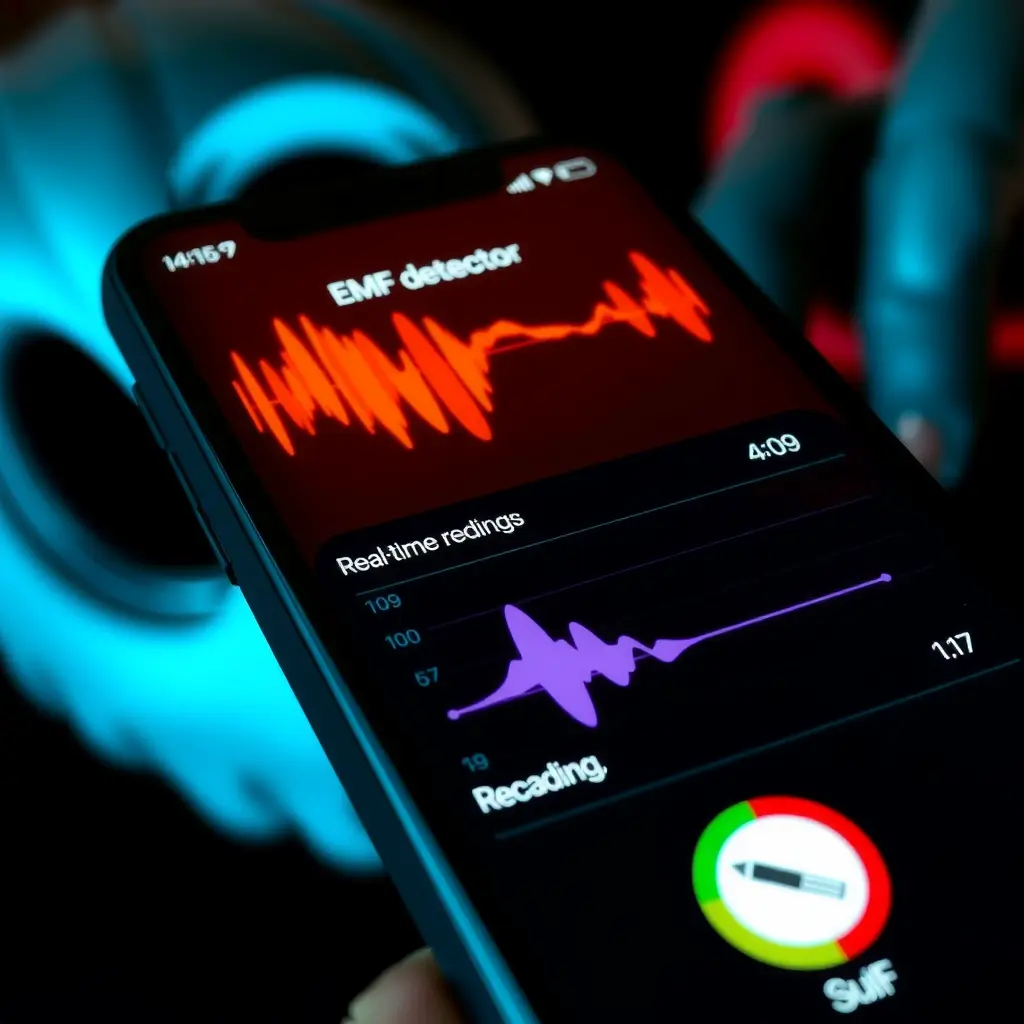
In an era where smartphones are pivotal in our daily lives, their utility extends beyond calls, texts, and apps. They can also be transformed into tools for detecting electromagnetic fields (EMF), making them an intriguing asset for paranormal investigators or anyone curious about the unseen electromagnetic world around us. Here’s how you can turn your smartphone into an EMF detector:
What You Need:
Smartphone: Modern smartphones generally have the necessary sensors, though the app’s compatibility might vary with older models.
EMF Meter App: Available on both Google Play and Apple’s App Store. Options include:
EMF Sensor (Android)
iEMF (iOS)
Steps to Create Your Smartphone EMF Detector:
1. Download an EMF Meter App:
Visit your app store and search for terms like “EMF Meter” or “EMF Detector.”
Opt for apps with high ratings and numerous downloads for better reliability. Check user reviews for insights on accuracy and ease of use.
2. Install the App:
Install the app ensuring your device has adequate storage and battery life.
3. Calibrating Your EMF Meter:
Launch the app. Many apps begin scanning for EMF automatically.
Calibration can be:
Automatic: The app adjusts based on initial readings.
Manual: Follow on-screen instructions which might involve:
Placing the phone on a non-electronic surface.
Rotating the phone or holding it in different positions to establish baseline EMF levels.
4. Using Your EMF Detector:
Distance from Electronics: Since your phone and other devices emit EMF, keep at least a meter away from electronics to minimize interference.
Scan Your Environment: Move around or place the phone in potentially paranormal active areas. The app measures in milligauss (mG) or microtesla (μT).
Medium Readings (0.5 to 1 mG or 50 to 100 μT): Might suggest anomalies or nearby electronic devices.
High Readings (over 1 mG or 100 μT): Could indicate a significant EMF source; if unexplained by electronics, might pique paranormal interest.
Tips for Enhancing Accuracy:
Avoid Electronic Interference: Try to keep your device away from high electronic activity areas.
Use Audio Feedback: If the app features sound, use headphones to hear changes in EMF without disturbances.
Consistent Testing: Conduct repeated measurements in suspected areas. Consistent high readings in the absence of known electronics can be intriguing.
Experimentation and Documentation:
Try Multiple Apps: Different apps might offer varied functionalities or interfaces. Find what works best for you.
Keep Records: Document your findings. Note times, locations, and the nature of EMF spikes. This can be crucial for pattern recognition in paranormal investigations.
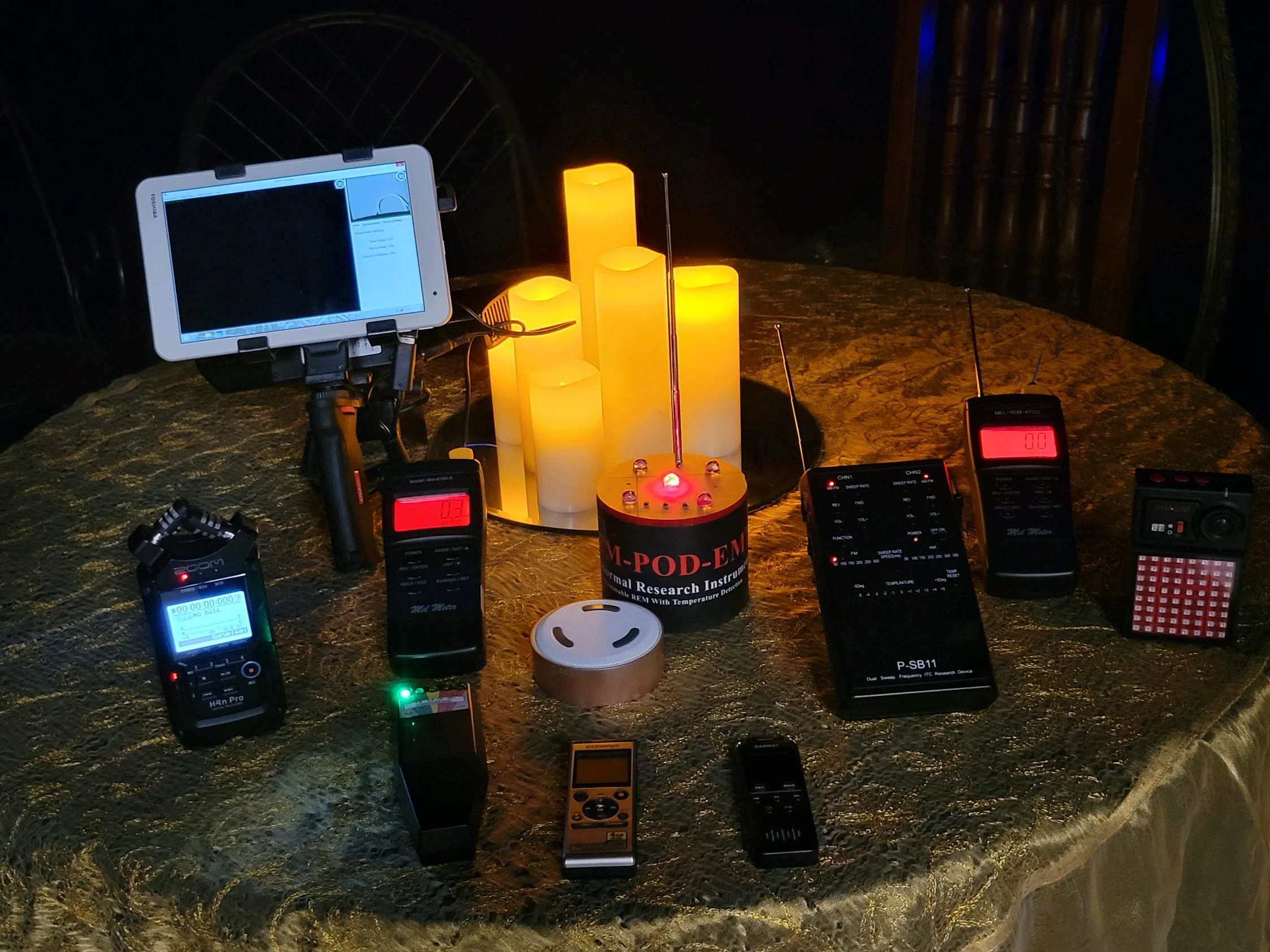
While smartphone apps can be entertaining and useful for amateur EMF detection, they do not match the precision of professional EMF meters used in scientific or serious paranormal investigations.
However, for casual exploration or educational purposes, converting your smartphone into an EMF detector provides a cost-effective, accessible way to delve into the mysteries of electromagnetic fields.
Remember, the fun in ghost hunting or EMF detection lies not just in the findings, but in the exploration of the unknown with tools that fit right in your pocket. Happy hunting!
Holiday horror films offer a chilling subversion of our most beloved celebrations, turning joyous occasions into terrifying nightmares. These films tap into the deepest recesses of human fear, exploiting our anxieties about social gatherings, family dynamics, and the pressures of the holiday season.
By twisting familiar traditions and holiday symbols into grotesque and menacing forms, these films create a sense of unease and dread. The once comforting glow of Christmas lights becomes a harbinger of doom, and the traditional Thanksgiving feast turns into a macabre banquet. This stark contrast between the idyllic and the horrific heightens the impact of the narrative and amplifies the audience’s sense of fear and vulnerability.
Furthermore, holiday horror films often explore the darker side of human nature, exposing the latent aggression, jealousy, and resentment that can simmer beneath the surface of seemingly perfect families and communities. By delving into these psychological depths, these films offer a critical commentary on the societal pressures and expectations associated with the holiday season, revealing the cracks in the facade of festive cheer.
The Evolution of Holiday – Christmas Horror
The tradition of combining horror with holidays dates back to Victorian ghost stories told at Christmas, exemplified by Dickens’ “A Christmas Carol.” Modern holiday horror has evolved this tradition, creating a distinct subgenre that speaks to contemporary anxieties while drawing on ancient winter solstice fears and folklore.
Early Examples: Films like “Black Christmas” (1974) established the template for holiday horror Modern Interpretations: Recent entries like “Krampus” (2015) blend traditional folklore with contemporary fears International Variations: Different cultures contribute unique perspectives, from Finnish “Rare Exports” to Australian “Better Watch Out“
The Family Unit as a Horror Canvas
The family gathering, a centerpiece of holiday celebration, becomes a perfect staging ground for horror narratives. These films exploit the inherent tensions of forced familial proximity and unresolved conflicts:
Dysfunctional Dynamics
Intergenerational trauma and its manifestation during holiday gatherings
The pressure cooker effect of forced family time
Hidden resentments and secrets bubbling to the surface
Parental Horror
The corruption of protective figures into sources of threat
Exploration of toxic family relationships
The horror of inherited trauma and abuse
Children in Peril
Subversion of childhood innocence
The horror of corrupted youth
Generational conflict taken to extreme conclusions
Psychological Dimensions
Holiday horror taps into deep-seated psychological fears and social anxieties:
Seasonal Depression and Isolation
The contrast between expected joy and actual emotional state
Winter’s natural darkness as a metaphor for internal struggles
The horror of being alone during “family time”
Social Pressure and Conformity
The obligation to participate in traditions
The weight of societal expectations
The horror of not fitting into prescribed roles
Consumerism and Materialism
Critique of holiday commercialization
The monstrous side of gift-giving
The horror of economic disparity during the season
Symbolic Elements and Motifs
Holiday horror employs specific visual and thematic elements:
Corrupted Symbols
Santa Claus as a malevolent figure
Twisted Christmas carols and decorations
Perversion of gift-giving rituals
Environmental Factors
Winter isolation and claustrophobia
Snow as both beautiful and deadly
Darkness and long nights
Religious and Pagan Themes
Ancient winter solstice fears
Christian imagery turned sinister
The clash between sacred and profane
Essential Holiday Horror Films
Classic Period (1970s-1980s)
“Black Christmas” (1974) – The original holiday slasher that set the standard for Christmas horror.
“Silent Night, Bloody Night” (1972) – A disturbing tale of a man returning to his hometown to confront a dark family legacy during Christmas.
“Christmas Evil” (1980) – A psychological horror film about a man whose obsession with Santa Claus leads to violent behavior.
“To All a Goodnight” (1980) – A slasher film set in a boarding school where a killer stalks students during the holiday season.
“Silent Night, Deadly Night” (1984) – A notorious slasher film about a young man traumatized by his childhood experiences with Santa Claus, leading to a Christmas Eve murder spree.
“Don’t Open Till Christmas” (1984) – A gory film about a killer targeting people dressed as Santa Claus in London.
“Gremlins” (1984) – A dark comedy that features horror elements as mischievous creatures wreak havoc during the holiday season.
“Jack Frost” (1996) – A horror-comedy about a serial killer who becomes a snowman and seeks revenge during Christmas.
“Santa Claus: The Movie” (1985) – While primarily a family film, it contains darker elements and themes of corporate greed that can be unsettling.
“The Children” (2008) – A chilling story where children at a family Christmas vacation begin turning on their parents, creating a tense atmosphere.
Modern Era (2000s-Present)
“Letters to Satan Claus” (2020) – A horror-comedy about a woman who mistakenly writes to Satan instead of Santa, leading to unexpected chaos.
“Rare Exports” (2010) – Finnish folk horror that reimagines Santa Claus as a dark figure.
“Krampus” (2015) – Family dysfunction meets ancient evil in this holiday monster tale.
“Better Watch Out” (2016) – A home invasion story with unexpected twists and dark humor.
“I Trapped the Devil” (2019) – A psychological horror film where a couple believes they’ve trapped Satan in their basement during Christmas.
“Christmas Bloody Christmas” (2022) – A record store owner faces off against a murderous robotic Santa Claus.
“Silent Night” (2021) – A tense thriller exploring existential dread on what may be the last night on Earth for a group of people.
“Deathcember” (2019) – An anthology film featuring 24 short horror stories, each representing a day in December leading up to Christmas.
“A Christmas Horror Story” (2015) – An anthology that intertwines multiple holiday-themed horror tales, narrated by William Shatner.
“Inside” (À l’intérieur) (2007) – A brutal French horror film about a pregnant woman fighting for her life against an intruder on Christmas Eve.
“Santa’s Slay” (2005) – A comedic horror film where Santa Claus is revealed to be a demon who returns to his violent ways after centuries of forced gift-giving.
Holiday horror remains a vital and evolving subgenre, offering both entertainment and insight into our collective fears and social dynamics. By subverting the expected joy and warmth of the season, these films provide a unique lens through which to examine
Why Holiday Horror Matters
In an era where streaming platforms are stuffed like stockings with heartwarming holiday content, these darker seasonal offerings provide a necessary counterbalance. Holiday horror isn’t just about jump scares and gore – it’s a subversive take on our most cherished traditions that continues to resonate with audiences who might be feeling a bit less than merry.
Whether you’re dealing with awkward family dinners, seasonal blues, or just need a break from the endless loop of “All I Want for Christmas Is You,” these films offer a deliciously dark alternative to standard holiday fare. They remind us that it’s okay to acknowledge the shadows amid the sparkle, and sometimes, the best way to deal with holiday stress is to watch someone else’s festive season go completely off the rails.
So this holiday season, when you’ve had enough of the wholesome Hallmark movies and saccharine Christmas specials, consider diving into the frostbitten world of holiday horror. Just remember – the next time you hear something on your roof, it might not be Santa’s reindeer. And that present under the tree? Maybe leave it wrapped.
Want to start your journey into holiday horror? Check out our ranked list of the best Christmas holiday scares below, and don’t forget to share your favorite festive frights in the comments. After all, misery loves company – especially during the holidays.
IMDb scores and Rotten Tomatoes audience scores included
Movie Title
IMDb Score
RTAudience Score
Gremlins (1984)
7.3
85%
Black Christmas (1974)
7.1
57%
Rare Exports: A Christmas Tale (2010)
6.7
64%
Krampus (2015)
6.2
58%
Better Watch Out (2016)
6.5
56%
A Christmas Horror Story (2015)
5.8
46%
Dead End (2003)
6.5
51%
The Children (2008)
5.9
39%
Silent Night, Deadly Night (1984)
5.8
46%
Christmas Evil (1980)
5.5
Not Available
Anna and the Apocalypse (2017)
6.2
54%
Christmas Bloody Christmas (2022)
5.9
55%
P2 (2007)
5.9
Not Available
Silent Night (2021)
5.8
41%
Santa’s Slay (2005)
5.3
Not Available
This list includes a mix of classic and contemporary films, showcasing a variety of horror themes set against the backdrop of Christmas. The audience scores reflect the general reception of these films among viewers, while IMDb scores provide an overall rating based on user reviews.
Okay, I need something Autumn related to make an article about. Fortunately, fellow horror author Grace Anderson recently released her Fall themed book, Fox Hollows, this past late […]
Alright, settle in, friend. The very molecules in this room seem to vibrate with a different truth today, a resonance that hums beneath the mundane drone of existence. […]
Alright, settle in, friend. Pour yourself a lukewarm cup of something that might have once been tea, and listen close. The air here… it hums, you know? Not […]
We rank the 15 best paranormal apps of 2025 — Necrophonic, Spirit Talker, Signal, GhostTube and more — with ratings, features, and direct store links for your next hunt.