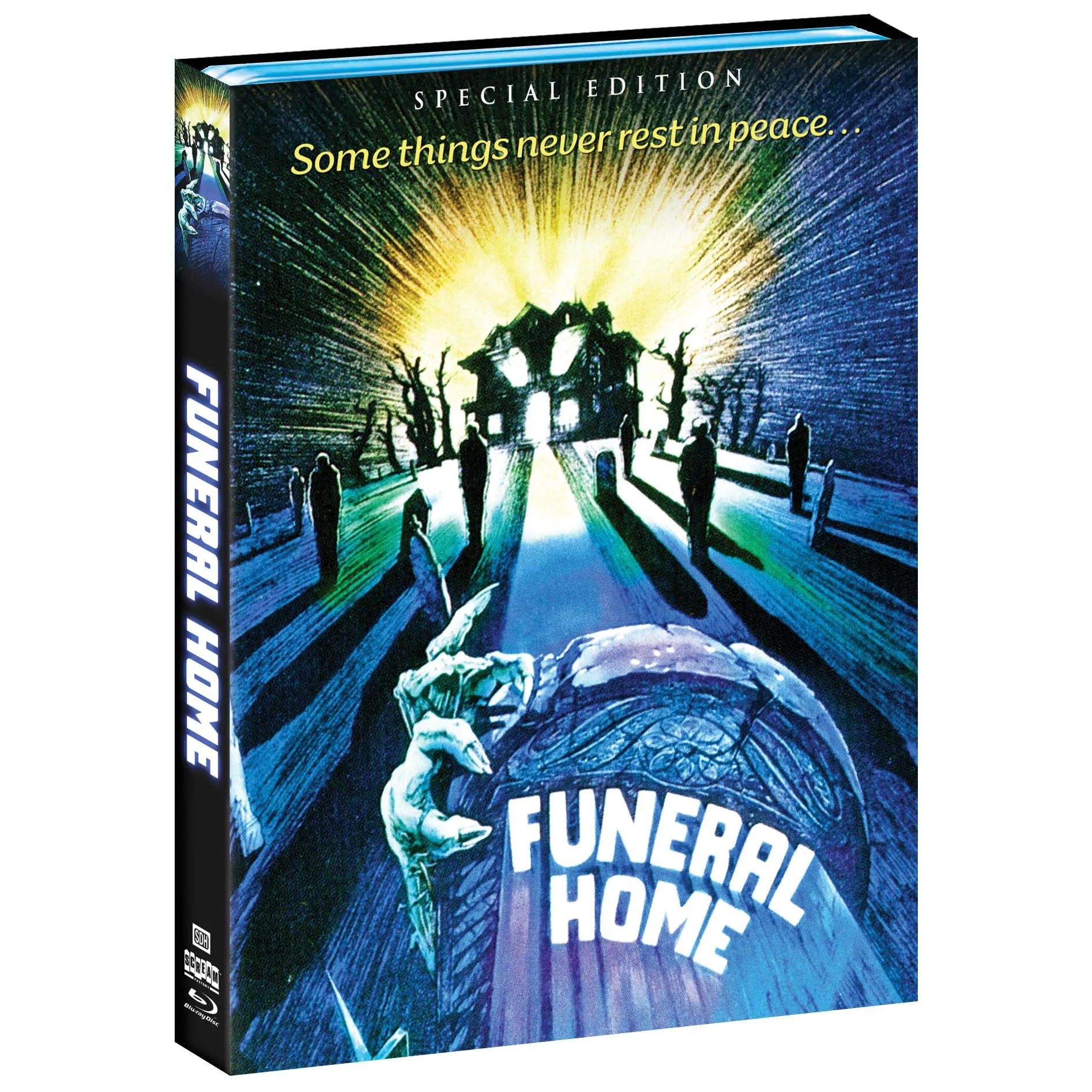
Funeral Home (1980): Canadian Psycho-Horror

Movie Reviews

4 min read

Alright, you macabre-minded mortuary enthusiasts and lovers of slow-burn Canadian horror, gather ‘round the flickering porch light.

Tonight, we’re checking into Funeral Home (1980)—aka Cries in the Night—a film that’s less “chainsaw massacre” and more “grandma’s got a secret in the basement.” Think Psycho meets Little House on the Prairie with a side of tax-shelter-era Canadian weirdness. Is it a slasher? A thriller? A cautionary tale about the dangers of repurposing funeral parlors into B&Bs? Yes.
The Plot (Or: “Airbnb of the Damned”)

Updated August 2026: Canadian psycho-horror history pairs with Black Christmas (1974) — the genre’s northern roots.

Updated August 2026: Canadian horror classics deserve their due — revisit Black Christmas (2006) alongside this funeral-home fright.

Related: Black Christmas retrospective

Authoritative sources: IMDb | Rotten Tomatoes

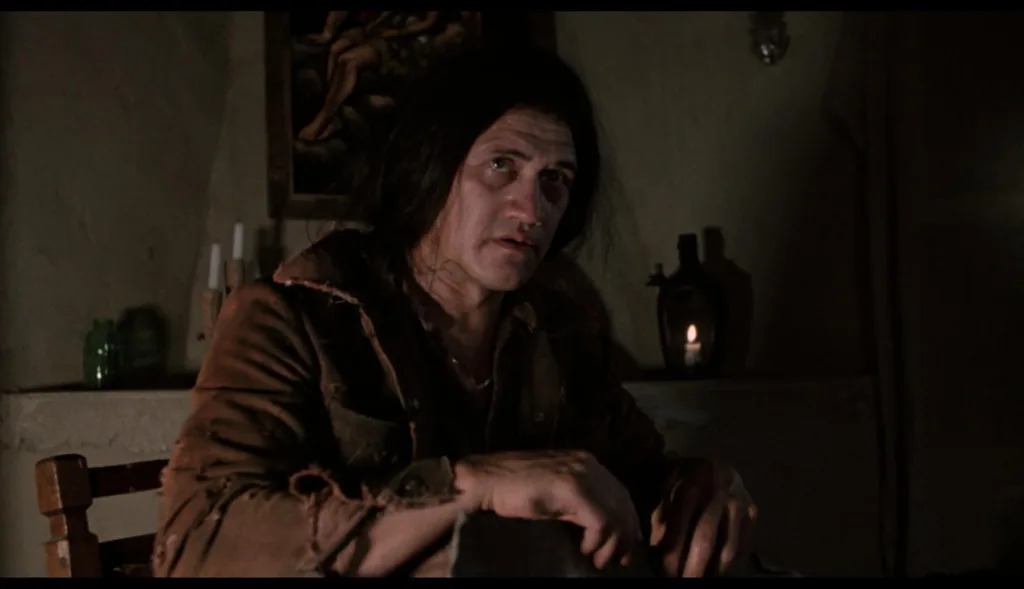
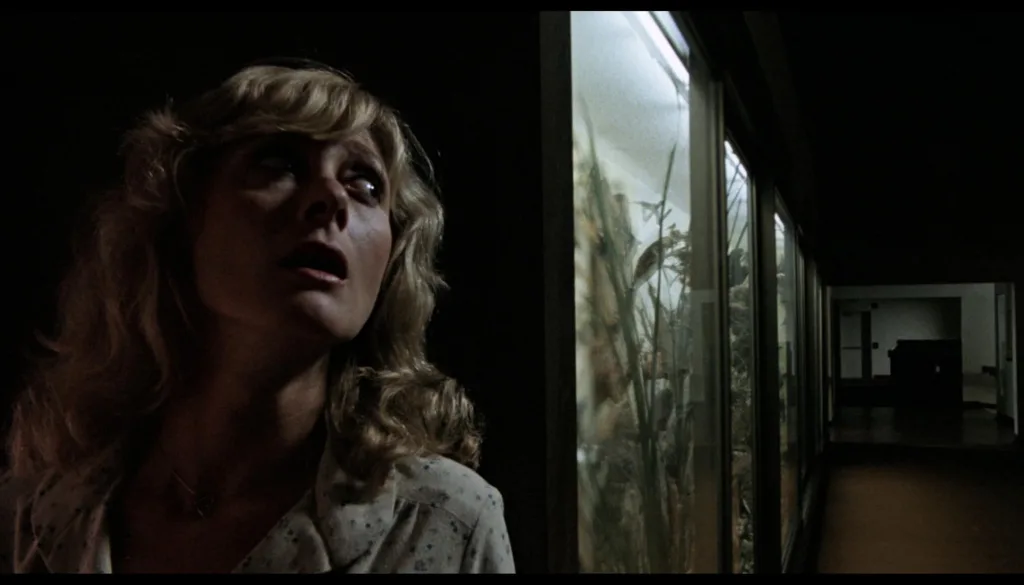
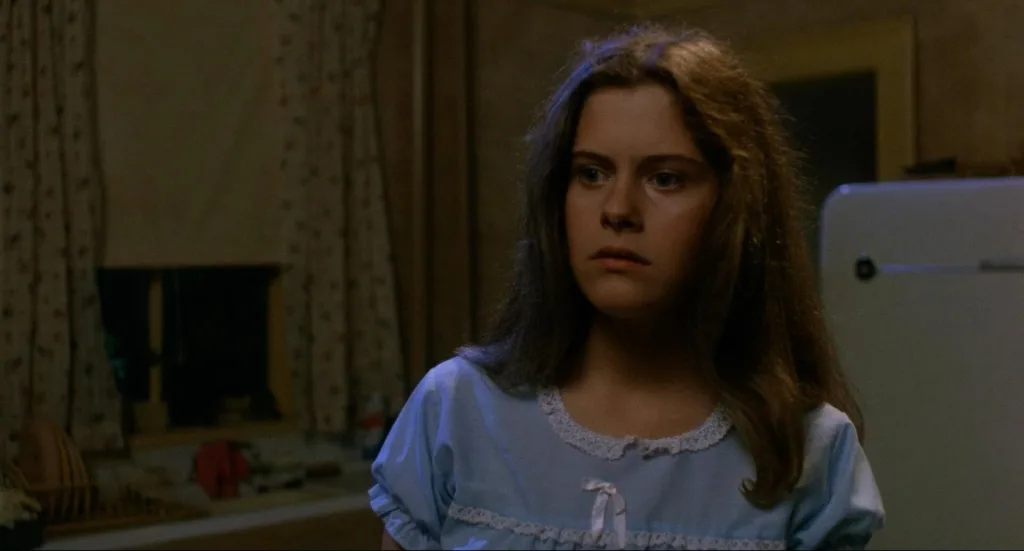
Heather (Lesleh Donaldson, slasher royalty from Happy Birthday to Me and Curtains) rolls into a sleepy Ontario town to help her sweet, slightly off grandma Maude (Kay Hawtrey) convert the family’s former funeral home into a quaint bed-and-breakfast. Seems harmless, right? Wrong. Guests start vanishing faster than free Wi-Fi at a motel, and Heather keeps hearing Maude arguing with someone in the basement—despite Grandpa having “mysteriously disappeared” years ago. Throw in a dim-witted handyman, a nosy deputy (Alf Humphreys, My Bloody Valentine), and a very judgmental black cat named Mitten (the true MVP), and you’ve got a mystery that’s equal parts charming and unsettling.

Why This Funeral Home Deserves a Five-Star Yelp Review

  1. Grandma Maude: Norman Bates in a Housecoat
    Kay Hawtrey’s performance is the film’s backbone—she flips between doting granny and unhinged menace with unsettling ease. The climax, where she fully snaps in the basement (complete with mummified corpse décor), is worth the price of admission alone. It’s Psycho’s finale, but with more artificial flowers and less wig-snatching.
  2. Atmosphere Thicker Than Embalming Fluid
    Shot on location in rural Ontario, the film oozes small-town eeriness. The creaky funeral home-turned-inn is a masterclass in unsettling production design—every shadowy hallway and off-limits cellar door screams “you’re not getting your deposit back.” Cinematographer Mark Irwin (Scanners, The Fly) bathes everything in a muted, almost dreamlike haze, making even daytime scenes feel vaguely sinister.
  3. A Slasher… Without the Slashing?
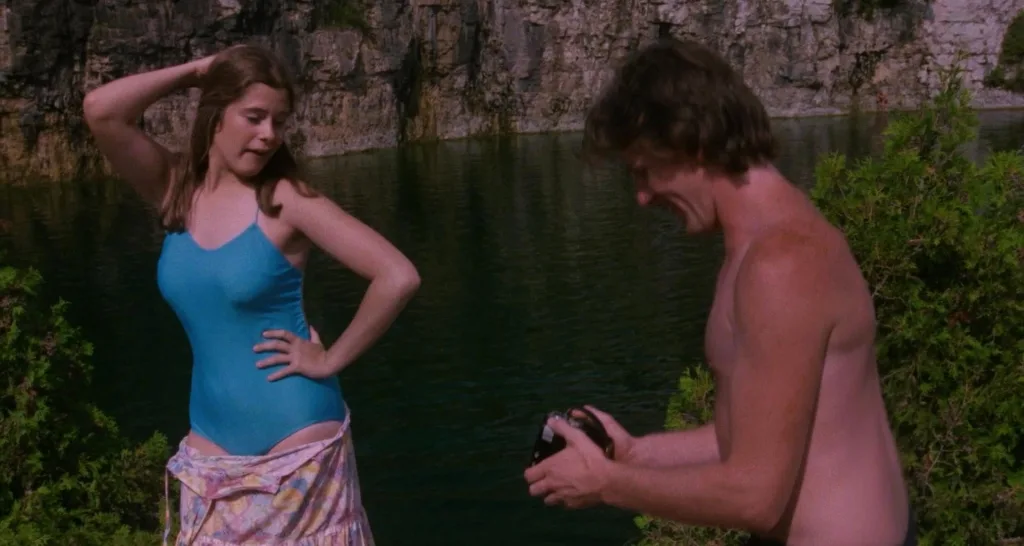
    Don’t expect gore galore—this is more psychological chiller than body-count extravaganza. The kills are sparse but effective (a drowned couple, a pickaxe to the chest), and the tension relies on dread, not dismemberment. It’s a relic of the pre-Friday the 13th era, when horror could still be quietly unnerving.
  4. Lesleh Donaldson: The Ultimate “Wait, Why Are You Ignoring the OBVIOUS RED FLAGS?” Heroine
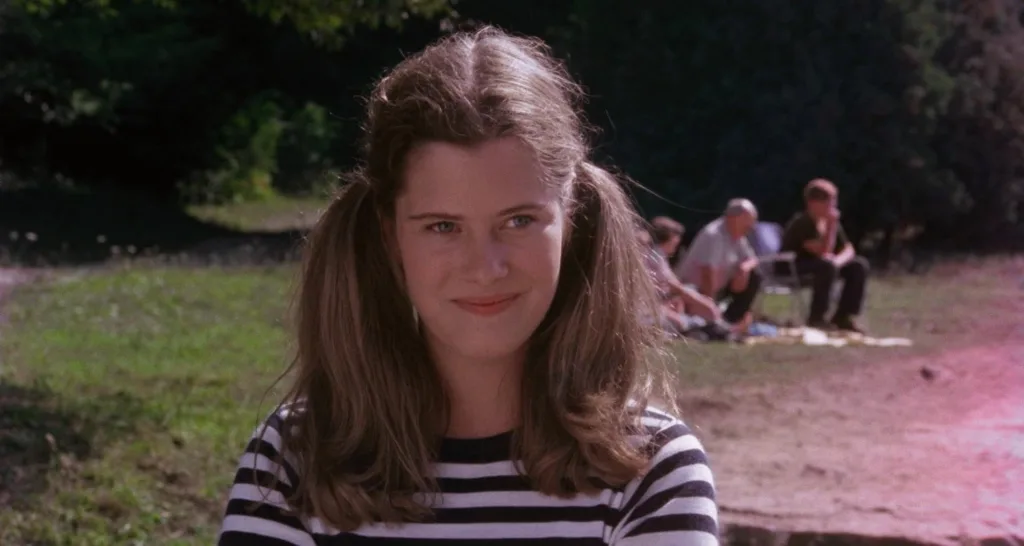
    Heather’s investigative skills are… questionable (seriously, girl, your grandma’s talking to corpses), but Donaldson brings a relatable naivety to the role. Plus, her feud with Mitten the cat is the most baffling subplot in horror history—who rejects a friendly kitty? Monsters.
  5. That Ending: Tea Time with a Side of Trauma
    No spoilers, but the final reveal—delivered under the closing credits like a post-credits stinger—is a delightfully Canadian twist. Imagine Psycho’s psychiatrist scene, but with more polite apologies and a kettle whistling in the background.
The Verdict (Grave Expectations Met?)

Is Funeral Home a masterpiece? Nah. But it’s a cozy, creepy time capsule of early ‘80s Canadian horror—a film that prioritizes mood over mayhem and features a grandma who could give Mrs. Bates a run for her money. If you love:

  • Slow-burn mysteries
  • Hitchcockian homages
  • Cats that deserve better

…then check in, but maybe skip the basement tour.

Justin’s Final Rating: ★★★☆☆ (3/5 – “Charming, flawed, and oddly comforting—like a horror-themed B&B run by your weirdest aunt.”)

Pair With: Psycho (for the vibes), Grandmother’s House (1988, for more “questionable relatives”), and a stiff drink to toast Mitten the cat’s unjustly scorned affection.
Sound off in the crypt below! Would YOU stay at Maude’s B&B? Team Mitten or Team Heather? And how many red flags is too many before you call the cops? 🚩⚰️🐈⬛


P.S. Avoid the Mill Creek DVD—opt for Scream Factory’s Blu-ray for a crisp, non-VHS-quality look at grandma’s crimes.

About the Author

Next article

The Ghost Dance (1982): Forgotten Slasher

Movie Reviews

4 min read

Updated August 2026: 80s supernatural slashers — see 80s slashers ranked and The Initiation.

Related: 80s slashers ranked | The Initiation

Authoritative sources: IMDb | Rotten Tomatoes

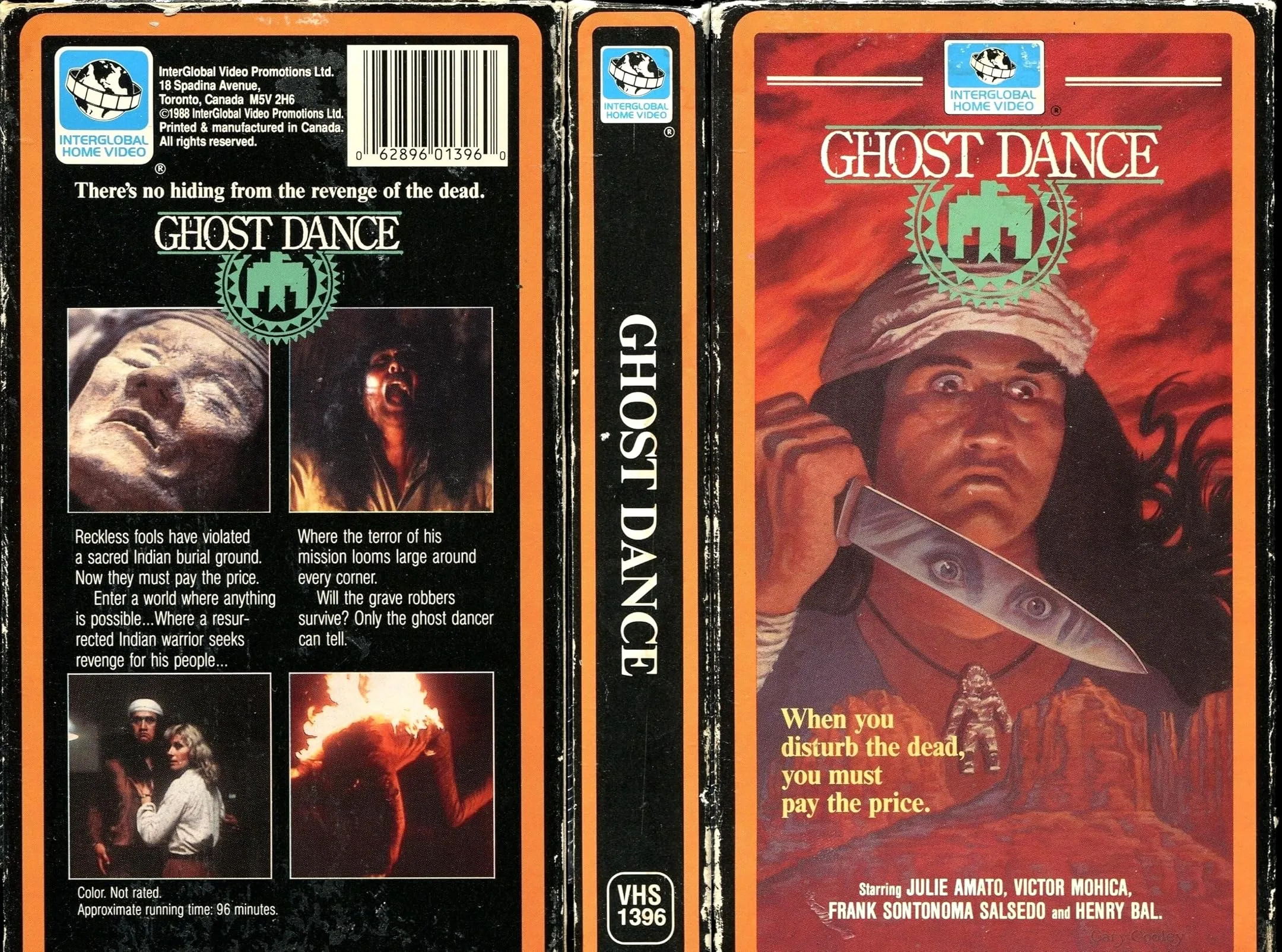
Listen up, you dusty horror archaeologists and lovers of obscure, supernatural slashers! Tonight, we’re unearthing The Ghost Dance (1982), a film that’s been buried in VHS obscurity for decades—until Vinegar Syndrome finally gave it the 4K restoration it kinda deserves. Directed by Peter F. Buffa, this Arizona-shot oddity blends Native American folklore with slasher tropes, delivering a slow-burn chiller that’s more atmospheric than blood-soaked. Is it a lost classic? A misguided relic of ’80s exploitation? Or just a weirdly compelling footnote in horror history? Let’s dust off the bones and find out.


The Plot (Or: “Indiana Jones Meets a Very Pissed-Off Shaman”)

A team of archaeologists, led by the no-nonsense Dr. Kay Foster (Julie Amato), excavates a Native American burial site in the Arizona desert. Ignoring warnings from tribal elders, they haul a mummified shaman named Nahalla back to their museum for study. Bad move. A local medicine man, Aranjo (Henry Bal), steals a sacred artifact from the grave and performs a blood ritual—accidentally resurrecting Nahalla’s vengeful spirit, which possesses him and turns him into a silent, knife-wielding killing machine.

Now, Nahalla-Aranjo is stalking the museum, offing academics in increasingly brutal ways (impalement, throat-slashing, snake attacks—oh my!), while Kay slowly realizes she’s the spitting image of Nahalla’s long-dead white bride. Cue supernatural obsession, eerie desert chases, and a climax involving ritualistic possession, flaming vengeance, and one very ominous stuffed eagle.


Why This Forgotten Slasher Deserves a Second Look

  1. Atmosphere Thicker Than Desert Heat
    Shot on location in Tucson, the film oozes Southwestern gothic vibes—wide desert vistas, shadowy museum corridors, and eerie nighttime highways where Nahalla materializes like a vengeful mirage. Cinematographer Fred Murphy (Stir of Echoes, The Mothman Prophecies) gives the film a polished, almost dreamlike quality, a rarity for regional horror of this era.
  2. A Killer with Actual Mythology (Sort Of)
    Nahalla isn’t just another masked maniac—he’s a supernatural force, a shaman who rejected the peaceful Ghost Dance movement in favor of bloody retribution against white settlers. His backstory (delivered via dusty university lectures) adds weight to the carnage, even if the script fumbles the deeper cultural implications.
  3. Julie Amato: The Most Academic Final Girl Ever
    Forget screaming co-eds—Kay Foster is a professor, a smart, capable heroine who spends as much time researching Nahalla as she does running from him. Amato brings gravitas to the role, even when the script forces her into a Psycho-lite twist involving past-life possession.
  4. The Kills: Few but Memorable
    Don’t expect Friday the 13th-level gore, but the kills are gnarly for ‘82:
  • A woman impaled on a spear in a museum diorama.
  • A dude crushed by a truck at the dig site (practical effects FTW).
  • A throat-slashing so abrupt it’ll make you jump.

5. That Halloween-Era Synth Score
Joseph Byrd’s soundtrack swings between haunting chants and suspenseful stings, adding an otherworldly edge to the stalk-and-slash sequences.


The Flaws (Because No Burial Site Is Perfect)

  • Pacing Like a Desert Tortoise
    The first 30 minutes are heavy on academic chatter and Native American lore. If you’re here for nonstop kills, you’ll be tapping your foot.
  • Muddled Mythology
    The Ghost Dance (a real 19th-century spiritual movement) gets oversimplified into “evil shaman wants revenge.” Cultural sensitivity? Not this film’s strong suit.
  • Dark as a Tomb (Literally)
    Older VHS copies were notoriously murky, making some scenes impossible to follow. Thank the horror gods for Vinegar Syndrome’s 4K restoration.

The Verdict (Should You Dance with This Ghost?)

⭐️⭐️⭐️ ½ (3.5/5 – “A flawed but fascinating relic, finally resurrected in HD glory.”)

For:

  • Fans of slow-burn, folklore-heavy horror (The Dark Half, The Manitou).
  • Slasher completists who crave obscure entries.
  • Anyone who ever wondered, *”What if *Halloween… but with a pissed-off shaman?”

Against:

  • Gorehounds expecting a body-count extravaganza.
  • Viewers sensitive to ’80s-era cultural clumsiness.

Justin’s Final Thought:
The Ghost Dance isn’t a masterpiece, but it’s way better than it had any right to be. With its eerie atmosphere, strong lead performance, and legitimately creepy moments, it’s a hidden gem for patient horror fans—especially now that Vinegar Syndrome’s Blu-ray lets us actually see the damn thing.

Pair With: Scalps (1983) for a trashier take on the same theme, or The Manitou (1978) for maximum supernatural silliness.

Sound off below! Ever seen The Ghost Dance? Team Nahalla or Team “Should’ve Left That Grave Alone”? And how do you feel about ’80s horror’s complicated relationship with Native American tropes? 🔪🌵👻

About the Author

Load next article The Ghost Dance (1982): Forgotten Slasher