CORA (2024): Apocalypse Horror Review

Movie ReviewsStreaming Services

5 min read

Core 2024 Movie Poster

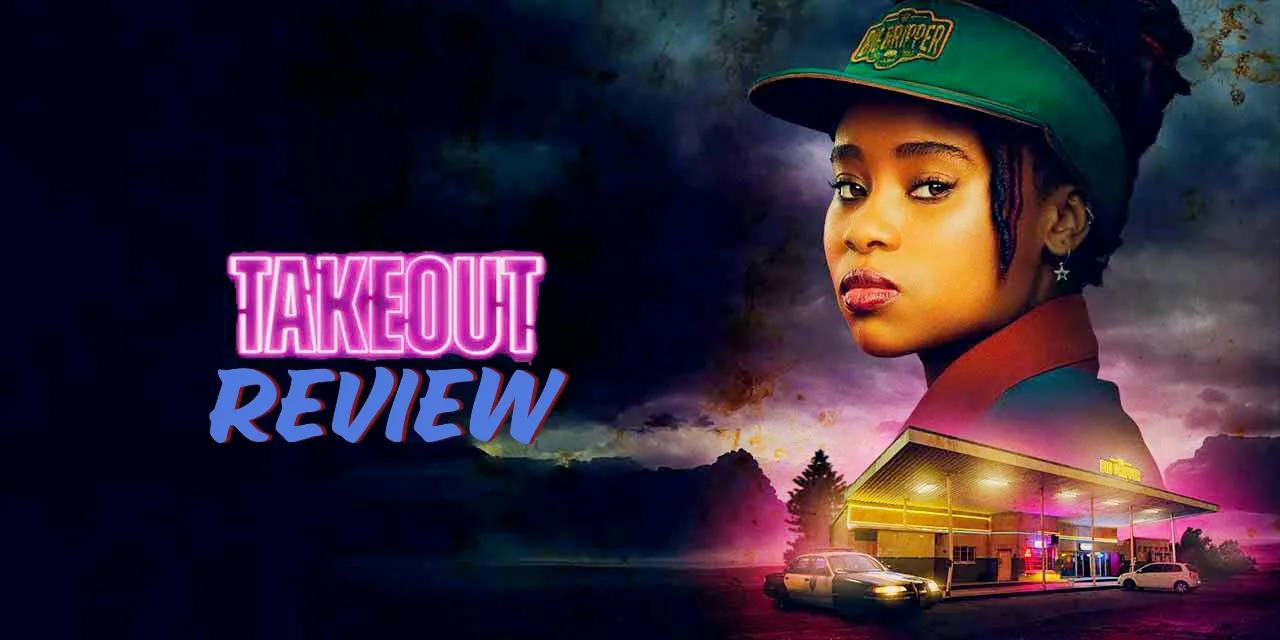
Updated August 2026: If CORA left you wanting more end-of-days dread, try Forgive Us All’s frontier outbreak horror, or see how the format works when it clicks with our Takeout (2025) Tubi Original review.

Let’s get right to it—“Cora” is a post-apocalyptic thriller that aims high but often misses the mark. Set in a world where a hazardous fog has decimated humanity, we follow Cora, a solitary researcher stuck in a high-tech bunker, gathering data for a secretive organization named Upper Sky. Or at least, that’s what she believes she’s doing.

Directors: Sonny Laguna & Tommy Wiklund
Runtime: 100 minutes
Starring: Felicia Rylander, Andreas Rylander, Thomas Lennon, Caroline Mathiasen

The Highlights:
First, let’s talk about what works. Felicia Rylander is outstanding as Cora. She carries the film with impressive strength, making it look easy. The early moments of her solitude hit hard—real psychological horror is at play. Seeing a person’s understanding of their world shatter while being trapped in one place? That’s the good stuff.

The film creates a heavy atmosphere that you can almost feel, amplified by the relentless fog. The directors skillfully portray feelings of isolation and despair, giving you a sense of abandonment that might even make you check your phone to see if you have a signal.

When the action heats up, it’s quick and violent. One particular scene where someone gets shot is shocking and messy, guaranteed to leave you stunned. It serves as a stark reminder that death is unforgiving in this world.

The Flaws:
But not everything works. The idea of the mysterious fog? It’s been done before, and often better. The film doesn’t clarify where it comes from or what it is, and that would be fine if it served a purpose instead of just acting as a plot device. Plus, the constant fog filter can get tiresome—it’s like watching a film through a murky lens for 100 minutes.

The conspiracy side of things feels undercooked. Upper Sky and their real intentions are dangled in front of us, but we never really understand what it’s all about. The film appears more focused on being clever than actually explaining its twists, leaving us with more questions than answers.

One thing that might annoy you: how is it that Cora continues to receive supply drops from a company that supposedly shut down years ago? The film brushes this aside, but in a world where resources are so scarce, you can’t help but wonder how no one looted the warehouses.

Ironically there is a bigger picture:
Interestingly, “Cora” touches on deeper ideas about purpose and survival. When everything you thought you knew turns out to be a lie, what remains? The film raises these questions but seems hesitant to explore the answers. It’s like setting up an elaborate puzzle and then walking away before it’s solved.

Without giving too much away, the ending can feel either brilliantly bleak or frustratingly vague, depending on how you handle uncertainty. The tagline “In the end, nothing will matter” begins to make a cynical sort of sense, but it can feel like a letdown for a story that really needed a clearer conclusion.

“Cora” is like a friend who gets you interested with a good story but never gets to the finish. It has strong performances, an engaging atmosphere, and some tense moments. However, in a genre filled with post-apocalyptic tales, it needed more than just decent execution to truly shine.

Rating: 6/10

Reasons to Watch:

  • Felicia Rylander’s powerful performance
  • Strong sense of atmosphere and isolation horror
  • Some genuinely shocking violent moments
  • Solid technical work on a limited budget

Skip if you want:

  • Clear answers to your questions
  • A fully fleshed-out apocalyptic scenario
  • More character development beyond the main role
  • A satisfying conclusion

Final Thoughts
“Cora” excels at asking tough questions but struggles to provide answers. It has enough style and substance to keep you engaged, but don’t expect everything to wrap up neatly when the credits roll. For fans of the genre, it’s worth a look, but keep your expectations in check. Sometimes, the most dangerous aspect of a post-apocalyptic world isn’t the deadly fog—it’s hoping too much from your entertainment.

Watch Cora 2024 For FREE in HD

Here’s the good news for all you apocalyptic thriller fans out there – you can catch “Cora” right now on Tubi without dropping a dime. Just head over to tubitv.com/movies/100026683/cora and dive into this fog-filled nightmare. Sure, you’ll have to sit through some ads, but hey – free is free, and in this economy, that’s nothing to sneeze at.

Look, Tubi’s been killing it lately with their genre acquisitions. They’re basically becoming the go-to spot for finding these under-the-radar international thrillers that might otherwise slip through the cracks.

The streaming quality is solid, and while it might not be 4K HDR or whatever, let’s be real – this movie’s got so much mist you probably wouldn’t notice the difference anyway.

Quick tip: Tubi’s got apps for pretty much every device under the sun, so whether you’re watching on your phone during your lunch break or streaming it to your TV for movie night, you’re covered. Just make sure you’ve got a decent internet connection – nothing kills the tension like buffering right when someone’s about to explode from a gunshot.

Word of warning though: don’t sleep on this one. Streaming rights can be as unpredictable as that deadly mist, so if you’re interested, check it out while it’s still available. Plus, hey – if you end up not digging it, you’re only out some time and maybe a few minutes of ad-watching. Can’t beat that deal with a stick.

About the Author

Next article

Romero’s Resident Evil: Untold Story

Movie Reviews

6 min read

Updated August 2026: Romero’s unfinished legacy explored in Survival of the Dead reassessed and the Dawn facts file.

We need to discuss Brandon Salisbury’s new documentary “George A. Romero’s Resident Evil“. It’s not just another story about missed chances; it’s a brilliant exploration of how Hollywood can misunderstand both gaming culture and the horror genre. There’s a lot to consider here.

The Father of Zombies and His Legacy

First off, George A. Romero is a must-mention when discussing zombies. This man didn’t just shape the modern zombie genre; he created a cultural movement that endures to this day.

When Resident Evil (known as Biohazard in Japan) debuted in 1996, it wasn’t merely paying tribute to Romero; it was building its entire foundation on his work.

The documentary reveals how Shinji Mikami, the mind behind Resident Evil, was crafting a heartfelt tribute to Romero’s films.

The tight spaces, the slow-building tension, and the social themes wrapped in horror were all there. You can see where Romero’s “Dawn of the Dead” inspired not just the zombies’ movements but also the focus on survival rather than pure action.

The film even includes critical moments where Mikami clearly states, “Without Romero’s films, there would be no Resident Evil.” This isn’t an exaggeration; it’s the truth.

The Game-Changing Commercial

Things take an exciting turn here. Capcom, showing more wisdom than many companies, hired Romero to direct a commercial for Resident Evil 2.

Picture this: It’s 1998, and Resident Evil is riding high off its first game’s success. Capcom’s sitting on a goldmine, but here’s the genius part – they actually understand why their game works. Instead of just throwing money at some random commercial director, they go straight to the source. They call Romero.

This live-action ad cost almost a million dollars in the late 1990s. The documentary features unseen behind-the-scenes clips of Romero directing Brad Renfro, effectively turning it into a mini horror film.

The commercial was a hit, and this is where the journey should have begun. Instead, it all went off the rails.

The Corporate Roadblock for Romero

Meet the real villain: Constantine Films, the German company that held the movie rights.

Through interviews with former executives and leaked memos, the documentary shows how they completely missed what Romero wanted and what made Resident Evil tick.

Romero’s script drafts, which are discussed at length, reveal his vision for something groundbreaking. He wasn’t just thinking about zombies in a mansion—he imagined a deep dive into corporate wrongdoing, government cover-ups, and human survival.

The Umbrella Corporation was going to serve as a mirror reflecting our world’s issues with big pharma and corporate greed.

Here’s the twist: Romero’s perspective on Resident Evil was ahead of its time. His ideas about corporate manipulation, government deception, and health crises feel like they belong in today’s world, not the late ’90s.

The documentary features commentators and theorists explaining how Romero’s unmade version seems to predict conversations we’re having now about trust in institutions and corporate responsibility.

The Japanese Perspective

One of the doc’s highlights is its thorough look at the Japanese side of the story. We hear from:

  • Kenichi Iwao (Original Game Writer)
  • Shinji Mikami (Series Creator)
  • Various Capcom executives from that time
  • Charlie Kraslavsky (Actor from the game’s cut scenes)

Their stories show how the Japanese team viewed Romero’s involvement as a full-circle moment—a master returning to guide those who learned from him.

The Blueprint for Success

The documentary also uncovers Romero’s actual script treatments, and they are simply captivating. We see:

  • A first act that mirrors the game’s mansion segment but with richer character development.
  • Practical effects plans that would have rivaled “The Thing.”
  • Detailed storyboards outlining how Romero intended to depict iconic moments from the game.
  • A more layered version of the Umbrella Corporation’s conspiracy.

Now, no offense to Paul W.S. Anderson, but his Resident Evil films are like fast food compared to Romero’s vision of fine dining. The documentary openly compares Anderson’s action-driven approach to Romero’s psychological horror plan. While Anderson’s films were financially successful, they changed the essence of what Resident Evil was about.

Relevance Today

This documentary arrives at a time when:

  • Adaptations like “The Last of Us” show that faithful adaptations can work.
  • Discussions about corporate ethics and medical practices dominate the news.
  • The lines between entertainment and social commentary are increasingly blurred.

Romero’s unmade Resident Evil feels less like an abandoned project and more like a missed chance for something great.

Behind the Scenes of the Documentary

Brandon Salisbury’s direction deserves praise. He brings together:

  • Unseen footage from Romero’s commercial shoot.
  • New insights from industry veterans.
  • Archival materials from both Capcom and Constantin Films.
  • Analysis from experts in horror and game design.

Legacy and Influence

The documentary wraps up by looking at how this missed chance has shaped both gaming and film:

  • The evolution of adaptations from games to films.
  • How Romero’s later work reflected his experience with Resident Evil.
  • The lasting impact of his zombie philosophy on today’s horror.
  • The shifting landscape of horror gaming.

My Final Thoughts

“George A. Romero’s Resident Evil” isn’t just about a film that never got made; it’s an important chapter in both gaming and horror history that shows how corporate thinking can stifle creativity.

It’s currently available to stream, and if you care about horror, gaming, or the clash between art and commercial interests, you should watch it.

This is not just about what might have been; it’s about what should have been and the loss caused by short-sighted executives who chose safe profits over artistic expression.

As we start to see more faithful game adaptations, this documentary serves as a cautionary tale and a challenge for filmmakers: sometimes, the person best suited for the job is the one who inspired it to begin with.

It’s more than just another zombie tale; it’s a story about the fear of corporate decisions that still haunt us today. And maybe that’s the most frightening story of all.

About the Author

Load next article Romero’s Resident Evil: Untold Story