An atmospheric but ominous start draws you into the beginning of The Whisper 2: Natural Connection, a horror short released in October of 2024 by Bulgarian director Miroslav Petkov. Petkov and his co-writer Teddy Nikolova, offer up what seems to be a parallel story to their previous film, Whisper, where we are now following main character Maggie, played by Simona Rose, as she attempts to locate her friend Sophie.
Updated August 2026: Found-footage sequels keep coming — see our Welcome to Derry breakdown for more dread on screen.
Maggie is seemingly unconcerned with Sophie going to the park that a number of people have been disappearing from, despite having just watched a news report on a recent case, and rather than invite her distraught friend over for some demon-free girl time decides it is better if she wanders out to join her in the park. Maggie loses time and much more than that as she is drawn to a strange place in pursuit of her friend.
This 13 minute horror short has been getting some festival attention and even though I found most of the acting extremely wooden and a bit distracting, I can see why overall. This film manages to combine its elements well to hold attention via its tension, mood and quick take on the well-known occult trope of the mysterious symbols drawing people to their doom.
It still felt a bit like the start of idea synthesis rather than a wholly realized vision and I personally believe it might have been stronger without the last shot, although that may be my CGI prejudice talking. On the whole, I give The Whisper 2: Natural Connection 3 mysterious scribbled journal pages out of 5 and believe that everyone involved will only get stronger from here as they continue to hone their crafts.
Seek this one out on the Enigma Movie Productions YouTube channel for your own horror consumption and see what you think for yourselves.
They/Them
Host of Queerdo Babes from the Horror Pod-o-rama
Wannabe horror scholar
Burlesque performer/host
collector of physical media and dabbler in many things.
I also paint and write occasionally
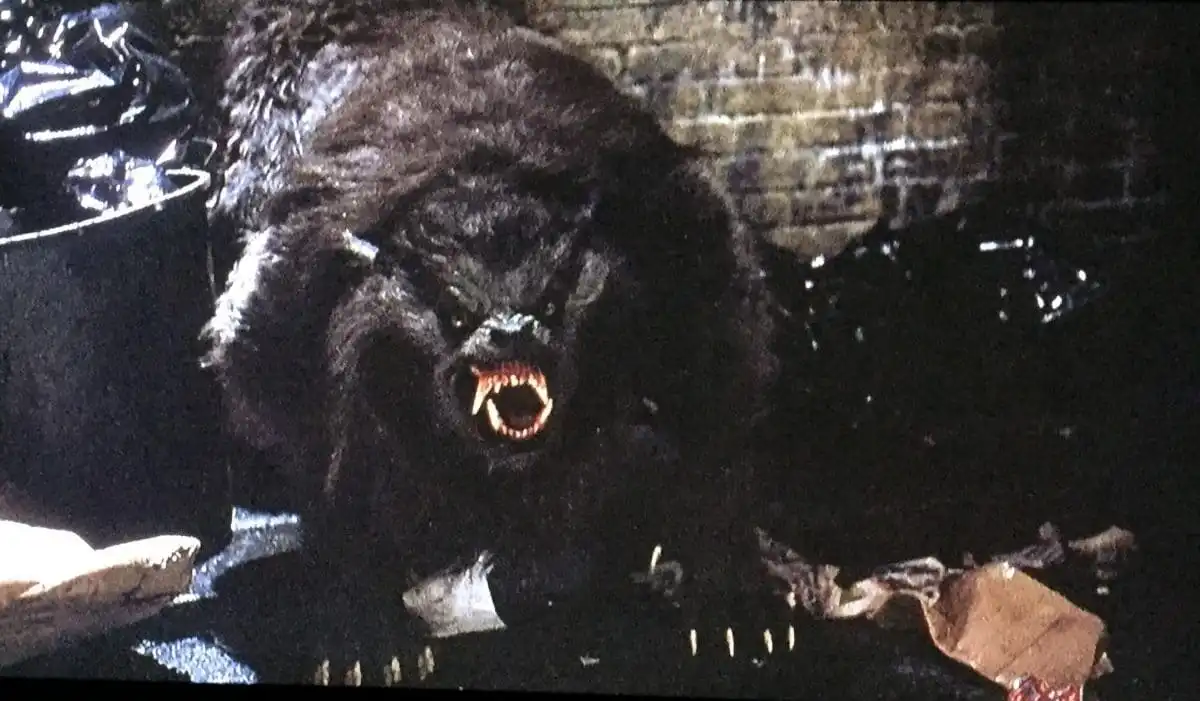
Discovering the Genius of “An American Werewolf in London”
1. Groundbreaking Special Effects
What makes An American Werewolf in London truly special are its remarkable special effects. Thanks to the talented makeup artist Rick Baker, the scenes of the werewolf transformation are truly stunning. Baker’s clever use of prosthetics and practical effects created a realism in these transformations that was rarely seen before. Watching a person turn into a beast is both terrifying and captivating, setting a new benchmark for creature effects in horror films. This incredible work earned an Academy Award for Best Makeup and influenced many filmmakers in the industry.
2. Talented Cast with Memorable Roles
The film features a superb cast, with each actor bringing depth and believability to the story. David Naughton shines as David Kessler, an ordinary man facing an extraordinary nightmare, turning the usual hero role on its head. Griffin Dunne portrays Jack Goodman, David’s deceased friend who appears as a ghost, providing a perfect balance of humor and tragedy. Additionally, John Woodvine as Dr. Hirsch adds a thoughtful and caring touch as a doctor, enriching the narrative.
The supporting cast, including Jenny Agutter, also adds significantly to the film’s emotional core. Agutter’s character, Alex, combines courage with tenderness, enhancing the story’s depth. The chemistry among the cast members makes their experiences feel genuine, helping the audience connect with their journeys.
3. A Unique Mix of Horror and Humor
An American Werewolf in London does a fantastic job of mixing horror with humor, something many horror films struggle to achieve. Director John Landis, known for his comedic work in films like National Lampoon’s Animal House, brings sharp dialogue and clever interactions that provide a breather from the intense horror. This perfect blend keeps the film exciting without it becoming too gloomy.
The humor feels natural and helps make the characters relatable, making their struggles more impactful. Iconic moments, like the café talk between David and Jack or the funny exchanges with locals, illustrate this mix beautifully. This distinctive approach not only makes the film appealing to a wider audience but also deepens the emotional stakes of its horror elements.
4. Interesting Cinematic Techniques
John Landis and cinematographer Robert Paynter use various techniques to tell the story effectively. The strong contrasts in lighting throughout the London countryside create a tense and spooky feeling, enhancing the dread leading up to David’s transformation. Moreover, the camera work in the transformation scenes, featuring close-ups and smooth transitions, captures the raw fear and pain of becoming a werewolf.
The film’s pacing is skillfully done, allowing tension to rise naturally while keeping viewers on their toes. The sound design and Elmer Bernstein’s evocative music heighten the mood, merging beautifully with the visuals for a truly immersive experience.
5. Cultural Influence
Since its debut, An American Werewolf in London has made a significant mark on popular culture. It transformed how we view the werewolf legend and inspired a new wave of horror filmmakers and fans. The film’s memorable images, especially the werewolf transformation, are still referenced and parodied today, showing its lasting influence.
In addition, the movie inspired various adaptations, including a TV series and stage productions, though its sequel, An American Werewolf in Paris, was not well-received. Its ability to resonate with audiences over generations reflects its timeless nature and universal themes—like the fear of what we don’t understand, battling our inner demons, and the complexity of human connections.
6. Engaging Story and Emotional Layers
At its heart, An American Werewolf in London is more than just a horror flick; it’s a touching exploration of friendship, guilt, and survival. The story examines the psychological effects of David’s transformation on him and his friend Jack, offering a narrative that elevates the genre. The emotional layers shine during the climax, where themes of guilt, redemption, and loss come into focus.
This emphasis on character growth sets the film apart from others at the time, such as The Howling. While The Howling excels at creating an atmospheric horror experience, An American Werewolf in London delivers a much more personal and emotionally resonant tale. This blend of personal and supernatural struggles makes the film deeply impactful and memorable.
Honoring “The Howling” as a Strong Competitor
Even though An American Werewolf in London is often seen as the ultimate werewolf film of its time, it’s important to recognize what The Howling brings to the table. Directed by Joe Dante and released the same year, The Howling offers a different yet equally fascinating perspective on werewolf mythology. With impressive makeup by Rob Bottin, plus a stronger focus on psychological horror, The Howling carved out its own spot in the genre.
The film unfolds a tense story about a hidden community facing werewolf attacks, providing a rich narrative that complements the more personal one found in An American Werewolf in London. Its ability to create a chilling atmosphere and develop a complex backstory has earned it a loyal following among horror fans. Nonetheless, the emotional depth, innovative effects, and well-rounded storytelling found in An American Werewolf in London ultimately lift it above its peers, reinforcing its status as the top werewolf film of its era.
Fun Facts and Behind-the-Scenes Tidbits
To truly appreciate An American Werewolf in London, checking out some behind-the-scenes stories reveals the creativity and commitment that went into making the film:
Filming Challenges: The transformation scenes were notoriously tricky. Creating the famous werewolf transformation involved a blend of prosthetics, makeup, and practical effects, requiring a lot of preparation and careful work from Rick Baker’s team. Each transformation took hours to perfect.
Cameos and Easter Eggs: Director John Landis included clever nods and cameos throughout the film. For example, Landis appears without credit as a background character in a scene, blending in to maintain the film’s immersive feel.
Soundtrack Craftsmanship: The haunting score by Elmer Bernstein, along with additional music cues like “Bad Moon Rising,” sets the tone perfectly. The use of real sounds, like unsettling noises during transformations, enhances the horror experience.
Budget Constraints: Made on a limited budget, the film’s success proves the creativity of its production team. Clever solutions and resourcefulness helped achieve quality effects without breaking the bank, showing that innovation can triumph over financial limits in filmmaking.
Critical Recognition and Awards: In addition to its Academy Award for Best Makeup, the film received many accolades for its screenplay and technical prowess. Its critical success helped establish John Landis as a director known for blending genres effectively.
My Thoughts
An American Werewolf in London remains a shining example of horror cinema, marked by its innovative effects, strong performances, and engaging storytelling. It skillfully evokes real emotions while delivering spine-tingling horror, setting it apart as the ultimate werewolf film of its time. While The Howling certainly brings its own unique qualities and has rightfully gained recognition as a beloved classic, the lasting legacy and multifaceted brilliance of An American Werewolf in London ensure its place as a superior entry in the world of werewolf tales.
Whether you’re a long-time fan or a newcomer to the genre, revisiting this classic offers not only an exciting film experience but also a greater appreciation for the artistry and innovation that went into its creation.
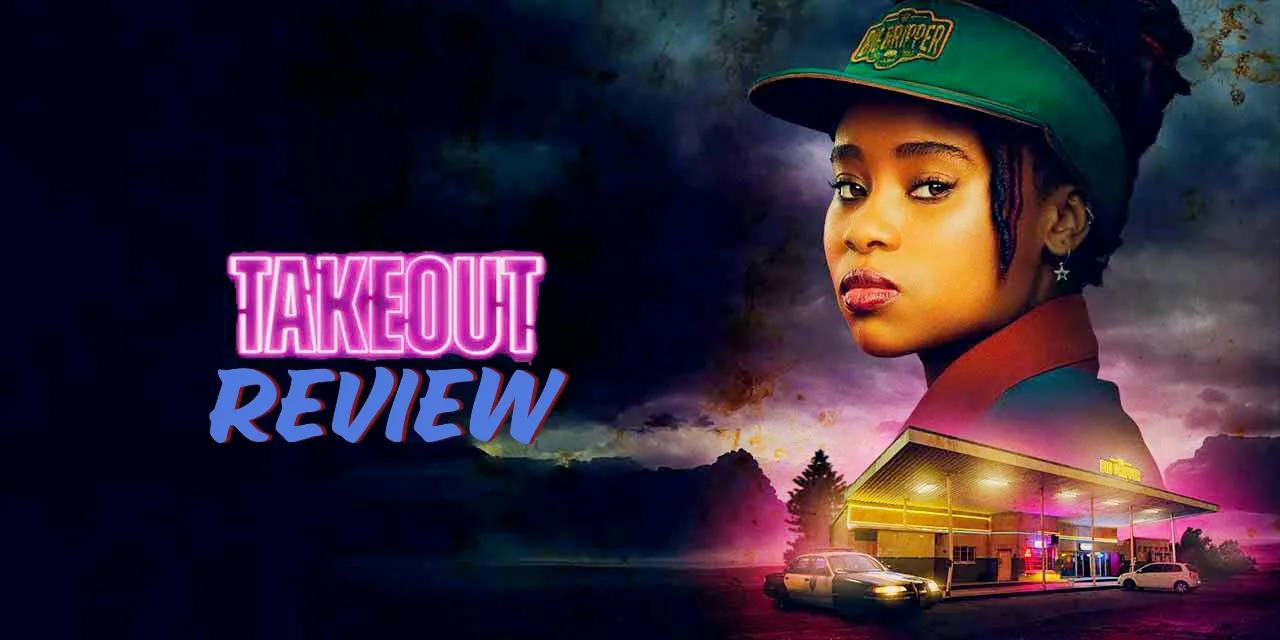
Updated August 2026: Tubi Originals are hit-or-miss — our Neighbor’s Vendetta review and Guess Who review fill out the scorecard. The stench of stale coffee and crushed hope. […]
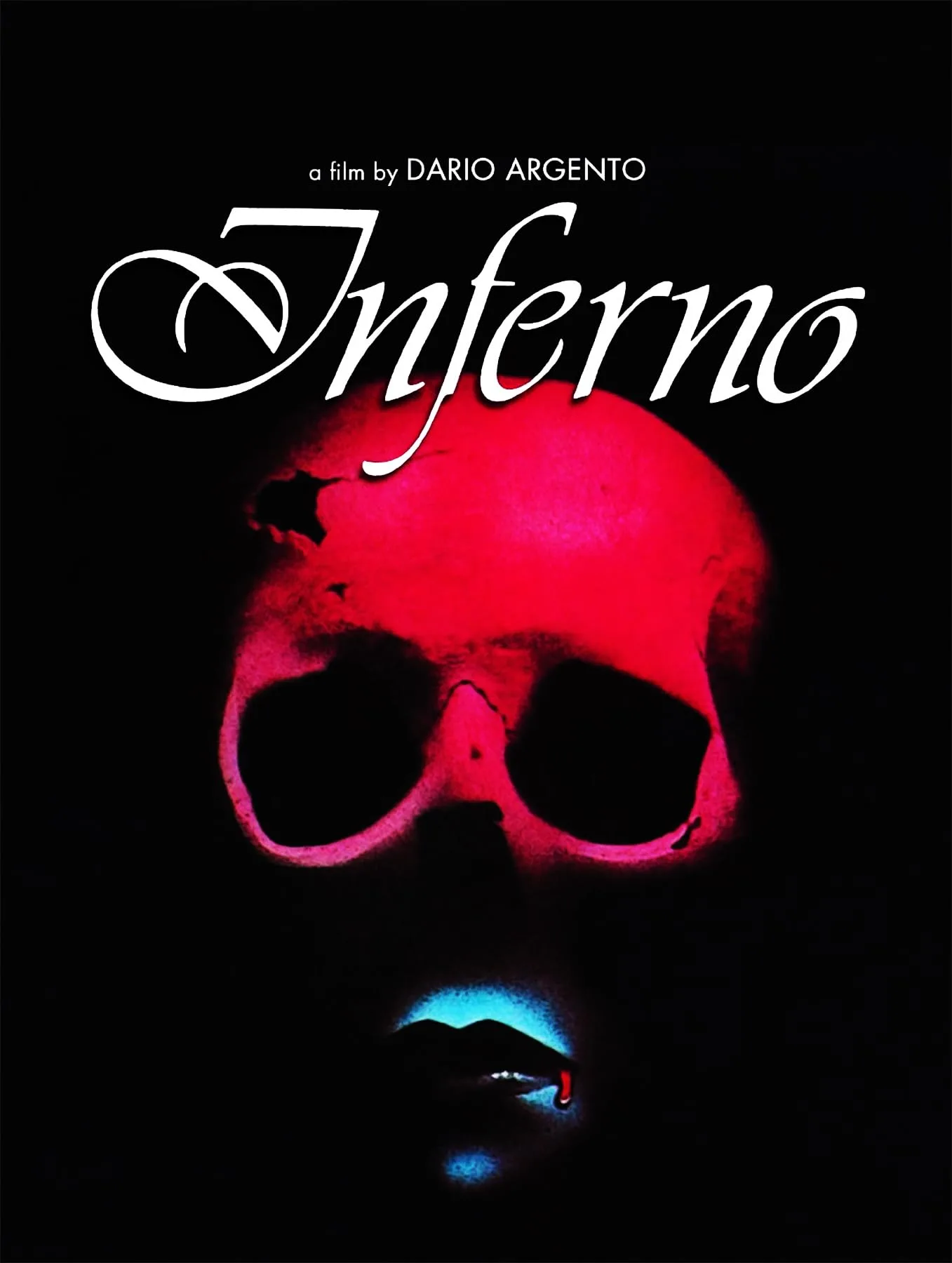
Updated August 2026: Argento completists should pair this with our Pulse (2006) revisit — two visions of invisible dread. Loyal disciples of the crimson-lit altar of Italian horror, […]
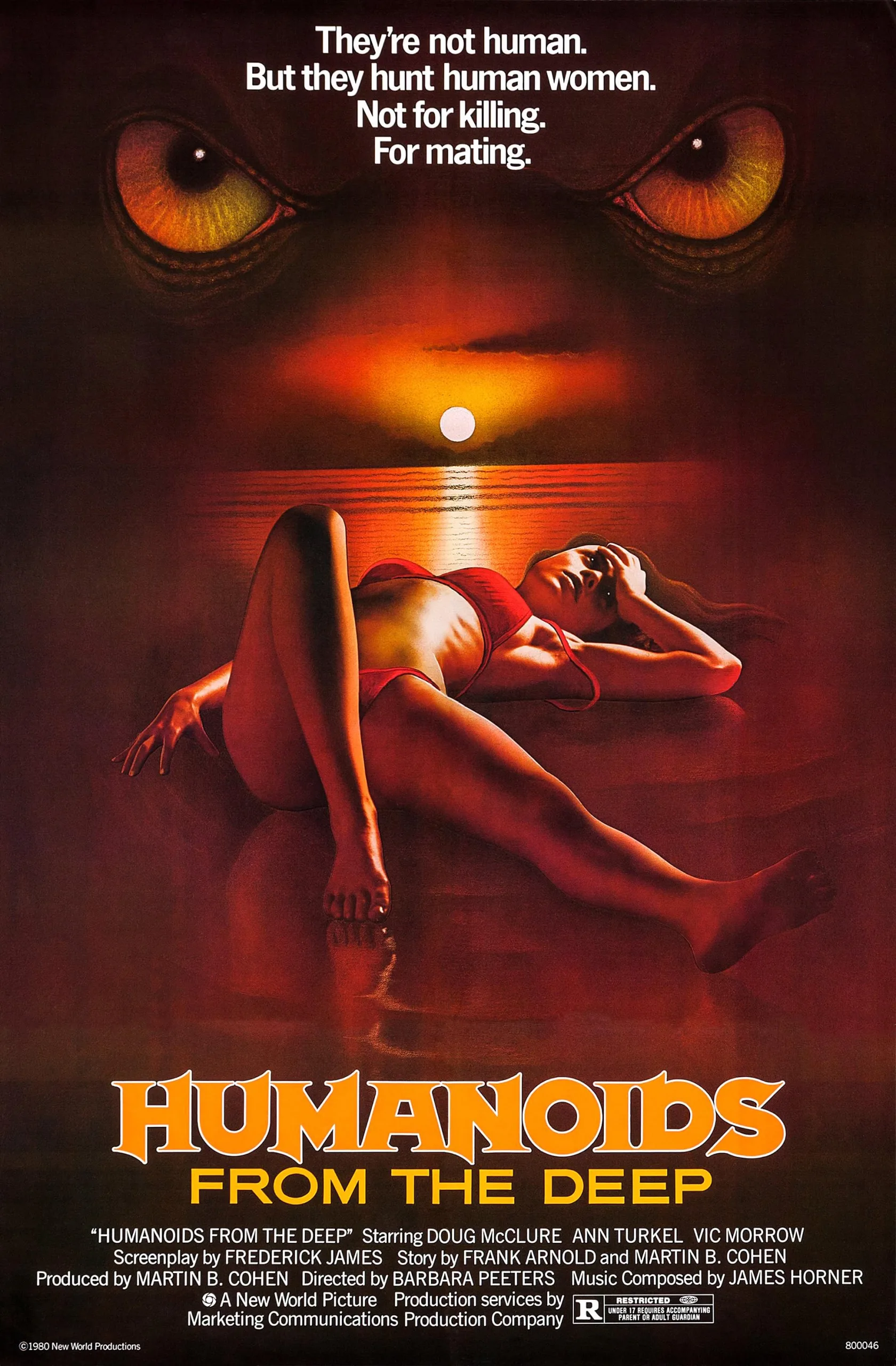
Grab your fishing nets, your shotgun, and maybe a flamethrower, because we’re diving into the blood-soaked depths of Humanoids from the Deep (1980)—a film so gloriously unhinged, so shamelessly exploitative, […]