The Devil Comes at Night slithers into your psyche with all the subtly of a serpent in the dead of night. Directed by Scott Leaver, who co-wrote the screenplay with stars Ryan Allen and Adrienne Kress, the film plunges viewers into darkness and danger from the opening frame.
We first meet Ben, a former boxer whose glory days in the ring have long since faded behind a haze of booze and regret. He’s come to his late father’s farmhouse in search of an inheritance rumored to be hidden within a mysterious safe. But instead of riches, Ben finds only a sinister note warning him to “keep all lights off and stay quiet.” Ominous words that he ultimately fails to heed, sealing his fate as prey in a lethal game of cat and mouse.
Before Ben has even had time to unpack his bags, the floorboards begin creaking with sinister intent and strange noises sound from the depths of the basement below. The few neighbors Ben encounters seem ordinary upon first meeting, but their mundane questions soon turn peculiar, then persistently prying. It rapidly becomes apparent that Ben’s presence is most unwelcome—and that escaping this place with his life may prove a far greater challenge than any bout he faced in the ring.
Shrouded in shadows and secrets from its first frame, The Devil Comes at Night ensnares viewers through ever-mounting mystery and suspense rather than gore or cheap theatrics. Cinematographer Nelson Rogers deftly wields darkness as its own character, allowing our imagination to conjure unseen terrors far more chilling than any makeup or special effect. Backed by a score of strange noises, rumbles and screams in the black, Rogers’ skilled work leaves us blind but sensing we are never alone.
We know not what stalks Ben through this house of horrors, only that the malevolence surrounding him seems as thick as the walls themselves. Every creak of the floorboards holds malice. Each flicker of the dying bulbs threatens to plunge us into a lightless abyss from which there is no escape. And when escape does come, if at all, battling the grim demons of this place may require steel far stronger than mere muscle and bone.
Shadows dance on the walls of our subconscious, giving form to shapeless terrors in a dark masterpiece of atmosphere and suspense. With minimal effects and resources, director Scott Leaver has crafted a chilling thriller that ensnares audiences through the oldest fear of all—the dread of what unseen evils may lurk, waiting to pounce, in the dark of night.
Initially, I wanted this article to be comparing and contrasting low-budget horror with high-budget horror. After some cursory research, though, I’ve concluded it isn’t even a contest. Low budget blows high budgets out of the water. At which point I thought, “fuck, now I have to think of something else to write about” and so here we are. With that said, I have to ask why this tends to be the case in so many instances.
From what I’ve read, movies considered high-budget fall in about the one hundred million range. Yet, despite all the money behind them, most hardly hold a candle to films working with objectively less. I’m not merely stating this as a matter of opinion either. These movies made several times the amount it cost to make them. Films like Psycho, A Nightmare On Elm Street, Evil Dead, or Friday the Thirteenth just to name a few all were working with minimal budgets and made several times their amount.
I’m not saying outright that one movie is greater than another. That’s subjective. I am saying these movies are better in terms of the money they were working with. I’ve thought about the reasons for this. One may have to do with Jevons Paradox.
In short, it’s an economic phenomenon in which efficiency increases only end up increasing consumption rather than reducing it. Can this also be applied creatively? I don’t see why not. The more money a film has to work with the more likely it is to waste some or a lot of it. Let’s look at two examples.
For a low budget, we’ll go with Evil Dead and for a high budget, we’ll go with Sleepy Hollow. I do enjoy both of these movies. Although, the latter I think does have some goofy moments. Plus, it’s clear of the two who had the biggest cultural impact. Hell, a new Evil Dead movie came out recently, and aside from around Halloween I can’t imagine Sleepy Hollow gets brought up that often in casual conversation about horror movies.
When it does, though, I think it’s fair to say Burton’s version is a strong contender. Yet, speaking in terms of finance, Evil Dead worked way better with what it had. Not to mention, it was released nearly two decades prior and yet still managed to go above and beyond despite limitations of resources. From what I have heard, the crew only had maybe one or two chances to get a shot right so they needed to make sure they got them down. I’ve also heard they got hurt on set which given how violent the movie is, I don’t find that hard to believe.
I’m not familiar with the inner workings of how Tim Burton’s Sleepy Hollow was made. I’m sure the cast and crew dealt with their fair share of challenges as well, but given the film doesn’t indicate that makes me wonder why it didn’t do nearly as well given it wasn’t dealing with as many hurdles. I mean, adapting a story as legendary as Sleepy Hollow seems like it should be putting peanut butter and strawberry jam together for Tim. Is it just a simple matter of Sam Raimi being better at making movies? Well, my goal isn’t to compare the two, at least not for this article.
What I will say for now on the subject is this could be a case of what’s needed for a vision to come to fruition. As another example of low budget, Alfred Hitchcock’s Psycho was able to shock audiences by using Hershey’s Syrup in place of blood. The differences between these three men lie in their imaginations. Hitchcock’s ideas tend to be more grounded while Burton’s get on the weird and twisted side. Raimi, I’d argue, falls somewhere in the middle.
I think it all depends on three factors, the first two are the vision itself and how well resources can be utilized. Psycho could get away with using chocolate syrup because it’s not in color. That was Hitchcock using the limitation of films back then to his advantage. Evil Dead has something similar, with the famous camera effect. Again, it’s using a simple trick to get a big result.
As for Sleepy Hollow, the way the Horseman moves and dispatches his victims I thought was cool, and the effect near the end when he finds what he’s after. What I think it all boils down to is passion. I read recently that Evil Dead used live ammunition and that Sam Raimi passed out during filming. I should also mention he was chased by a bull which I think is funny to imagine and if that along with the potential serious risk the rest of the crew experienced doesn’t prove dedication, I don’t know what does. Think of it like this.
High-budget horror can be likened to having a recipe made of expensive ingredients. There’s a higher chance of making something delicious out of that. However, if the wrong person is handling things, the end result will leave a lot to be desired. On the other hand, I think the food that best represents low-budget horror is the humble Maruchan ramen. Sure, you can just follow the packet, boil the noodles in water, add the seasoning packet, and then call it a day.
That would be the food equivalent of people working on low-budget horror only putting in minimal effort. Now, let’s say you want to spruce it up. You don’t have any fancy things to add, but you can make something incredible if you get creative. Hell, I’ve made some damn tasty ramen just by adding in some leftovers. Under that same token, horror films with a low budget can be made into something that shakes audiences to their core and causes them to be talked about decades later by having the people working on them know how to stretch what minimal materials they have to work with to their fullest potential.
For several years now I have been writing stories relating to the horror or horror comedy genres. However, on here I will be giving my thoughts on different things relating to horror. I will try to have in-depth posts about what makes certain aspects of it work and when it does not. I will also be sharing other ideas related to it. Hopefully, you enjoy what I write and if you do, be sure to check out my links.
Updated August 2026: Tubi Originals are hit-or-miss — our Neighbor’s Vendetta review and Guess Who review fill out the scorecard. The stench of stale coffee and crushed hope. […]
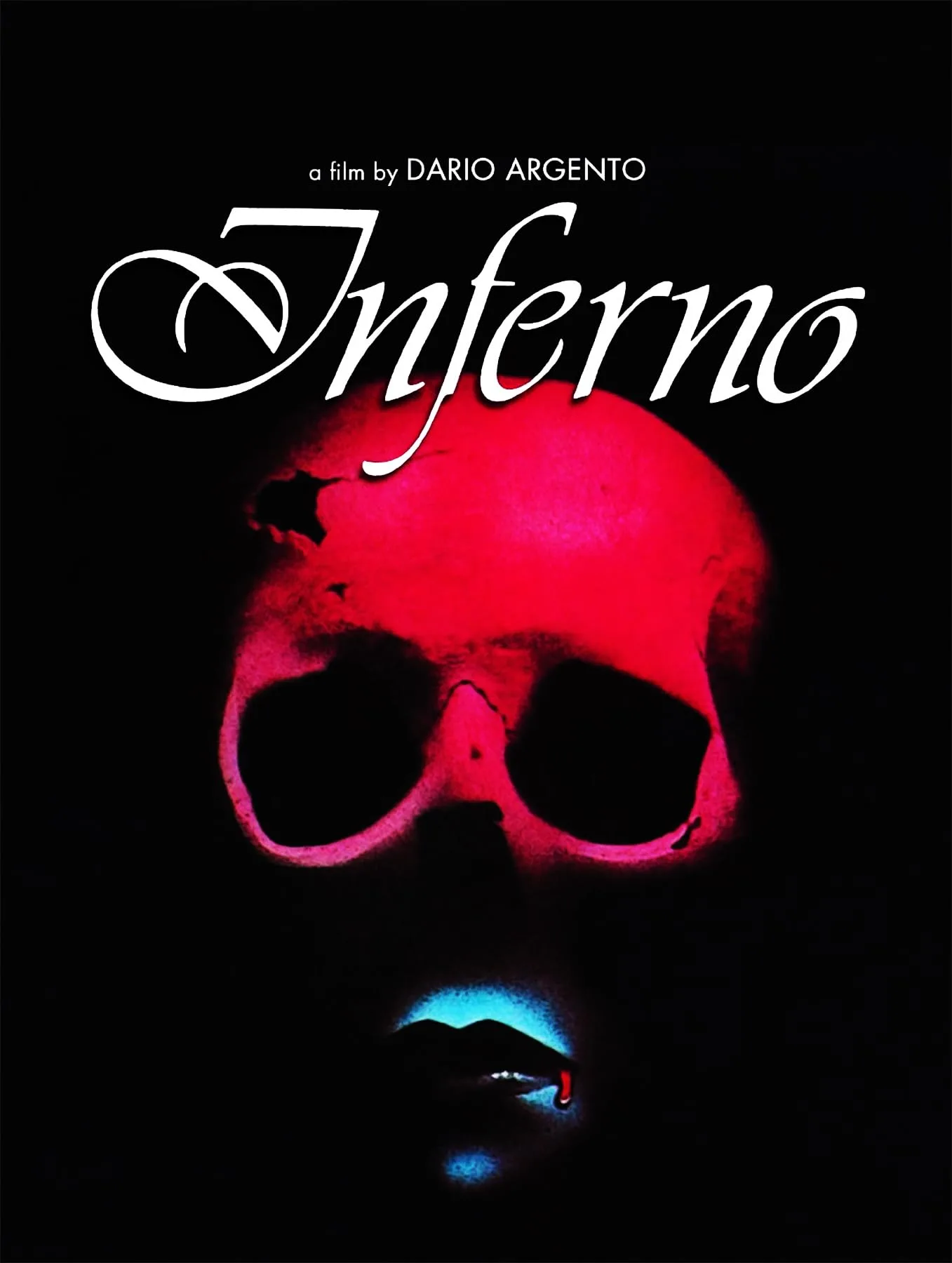
Updated August 2026: Argento completists should pair this with our Pulse (2006) revisit — two visions of invisible dread. Loyal disciples of the crimson-lit altar of Italian horror, […]
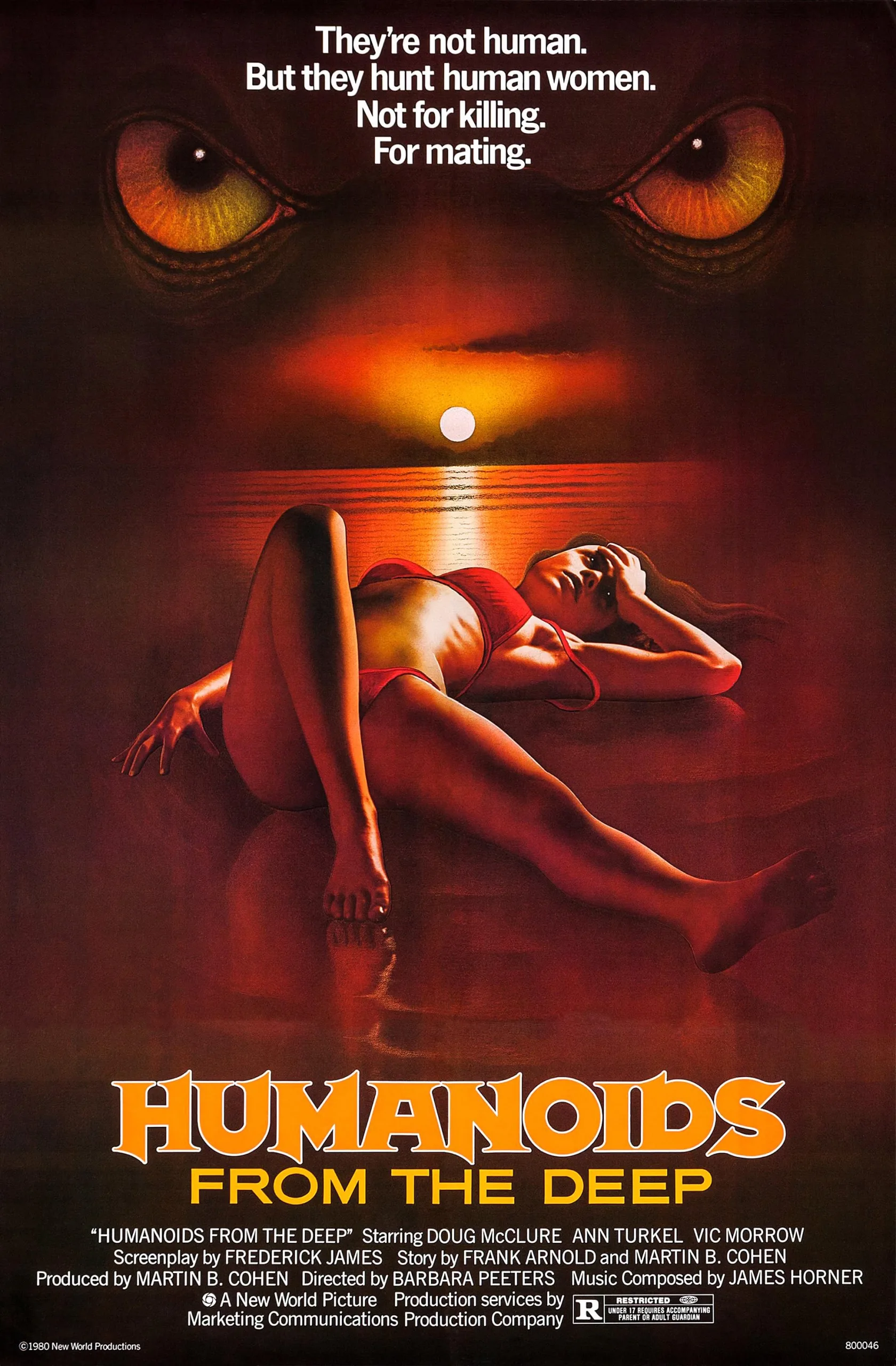
Grab your fishing nets, your shotgun, and maybe a flamethrower, because we’re diving into the blood-soaked depths of Humanoids from the Deep (1980)—a film so gloriously unhinged, so shamelessly exploitative, […]