Survival Thriller Escape Set to Unleash Terror on Digital Platforms

Horror News

3 min read

The survival horror genre is about to welcome a chilling new addition with the upcoming release of Escape, a gripping thriller that aims to captivate viewers with its intense narrative. Slated for digital release on September 30th in the UK and Ireland, this harrowing tale of abduction and the desperate fight for freedom is poised to become a significant entry in the genre.

Directed by Howard J. Ford, known for his work on ‘The Ledge’ and ‘Never Let Go’, Escape plunges into the nightmarish journey of ten women abducted from a seemingly idyllic remote island resort. Their ordeal begins as they find themselves at the mercy of a ruthless criminal gang, their lives hanging in the balance amidst the unforgiving expanse of a harsh desert landscape.

The premise of Escape taps into fundamental fears of isolation, powerlessness, and the struggle for survival against overwhelming odds. As two of the women formulate a daring plan to break free from their captors, the film promises to deliver a relentless exploration of human resilience and determination.

The cast features Sarah Alexandra Marks, recognized for her compelling performances in ‘Witch’ and ‘The Caller’, alongside Sophie Rankin and veteran actor Sean Cronin. Cronin’s impressive resume, including roles in ‘Mission: Impossible – Rogue Nation’ and ‘The Mummy Returns’, suggests a formidable antagonistic force for the protagonists to confront.

A newly released trailer and poster for Escape offer glimpses into the film’s tense atmosphere and the dire circumstances faced by its characters. The tagline “Escape, fight back or die” encapsulates the primal struggle at the core of the story, hinting at a narrative that will test its characters’ limits.

As the September 30th release date approaches, genre enthusiasts can prepare to access Escape through various digital platforms, including Apple TV, Sky Store, Amazon Prime Video, YouTube Movies, Microsoft Movies, and Rakuten TV. This wide availability ensures that viewers across the UK and Ireland can experience the suspense of Escape from their homes.

With its compelling premise, talented cast, and director Howard J. Ford’s proven track record in crafting suspenseful thrillers, Escape is positioned to be a notable addition to the survival horror genre. As autumn settles in and the appetite for tense, gripping entertainment grows, this 93-minute journey into fear and desperation arrives at an opportune time.

Escape is poised to challenge perceptions of human endurance and the will to survive, offering a raw and intense cinematic experience for those who dare to watch.

Check out the trailer for Escape below:

About the Author

  • Josie

    I have come here to chew bubblegum and write horror, and I'm all out of bubblegum.

    Recent Posts
    No Recent Posts by this Author

Next article

Halloween Resurrection: A Haunting Misfire

Editorials

4 min read

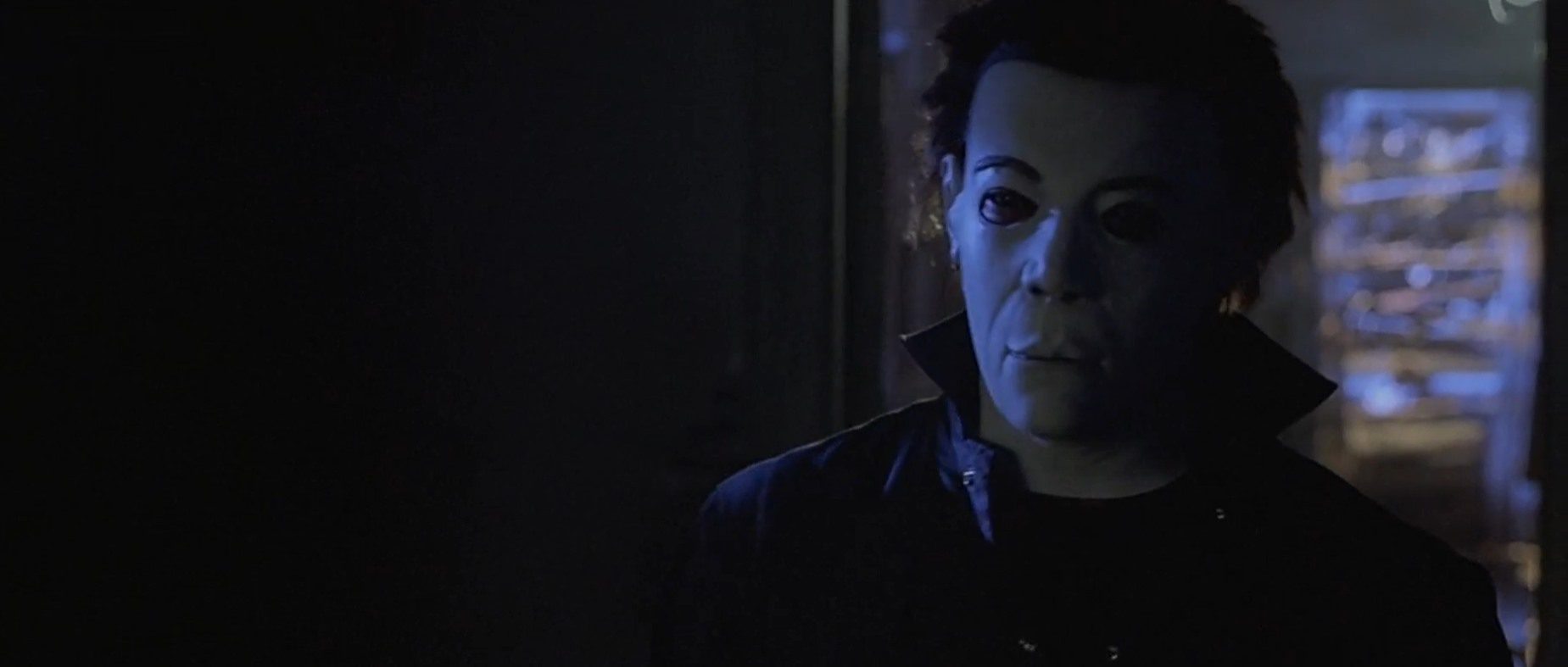
Halloween: Resurrection is a cinematic misstep that haunts the Halloween franchise like a malevolent specter, serving as a glaring example of how far a once-iconic series can stray from its roots. Released in 2002, this eighth installment represents a grotesque departure from the series’ core elements, trading atmospheric terror for cheap thrills and exploitative sensationalism. The result is a film that feels like a hollow shell of its predecessors, undermining the legacy of Michael Myers and the rich mythology of Haddonfield.

The film’s fatal flaw lies in its misguided attempt to capitalize on the then-prevalent reality TV phenomenon. By transplanting the iconic horror franchise into this superficial and vacuous world, Resurrection fundamentally misinterprets the essence of what made the original film so enduring. The focus shifts from the psychological dread and suspense that defined the series to a shallow, character-driven narrative devoid of genuine scares. This drastic departure from the franchise’s roots alienates longtime fans while failing to attract a new audience.

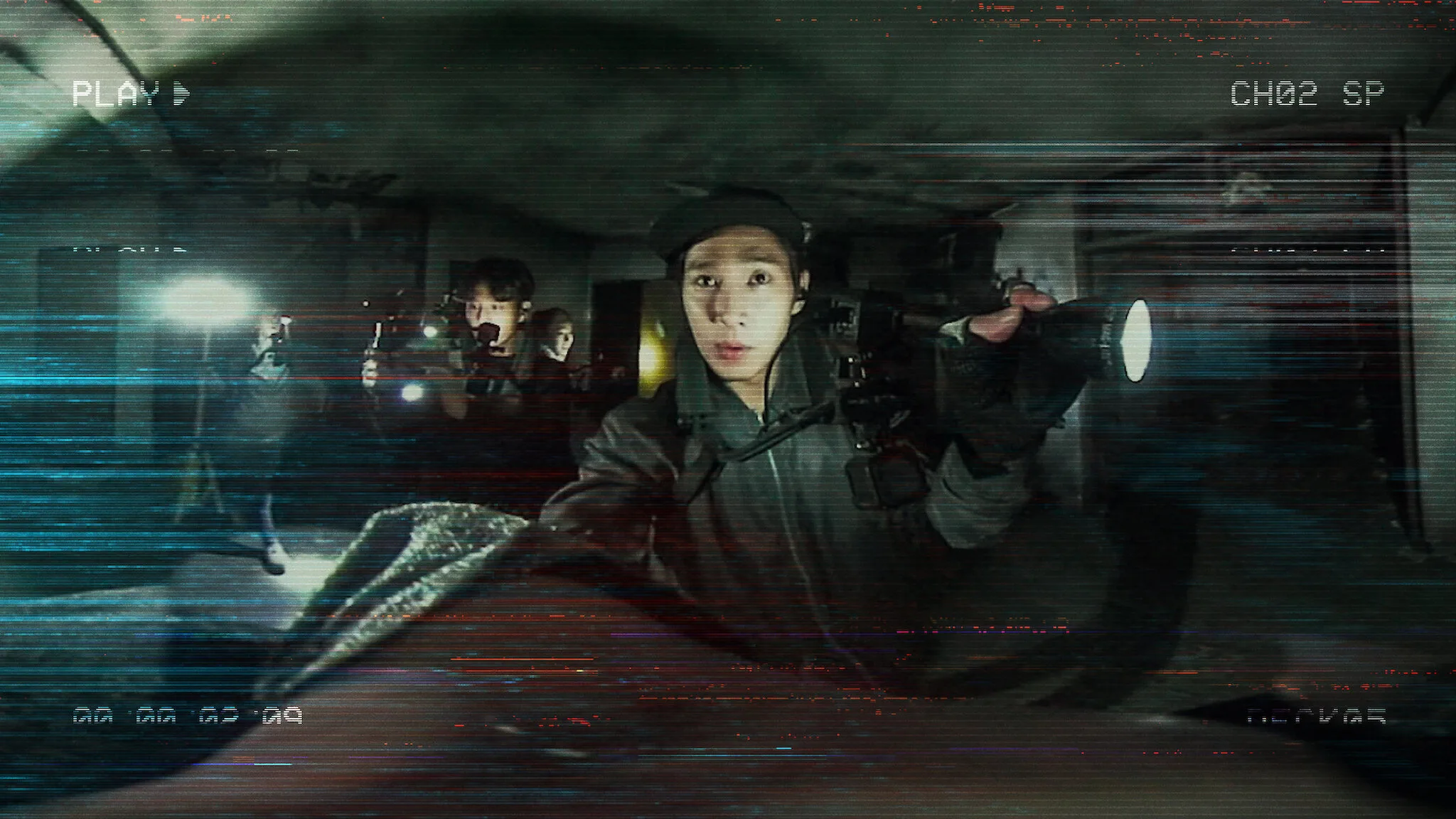
In an attempt to modernize the franchise, Resurrection employs a found-footage style, which was in vogue at the time due to movies like The Blair Witch Project. Unfortunately, the shaky camera work and first-person perspective do little to enhance the film’s atmosphere and instead create a sense of disorientation and frustration. The technique, combined with the film’s overall lack of focus, results in a chaotic and visually unappealing viewing experience that feels more like a tacky gimmick than a genuine artistic choice.

Perhaps the most egregious error lies in the film’s portrayal of Michael Myers. The iconic boogeyman is reduced to a mindless killing machine, devoid of the complex and terrifying aura that rendered him a cinematic icon. The film’s failure to delve into the character’s psychology or motivations is a critical misstep that strips away the character’s potency. Myers, once a symbol of pure, unadulterated evil, becomes a generic slasher villain, a far cry from the enigmatic figure that has haunted audiences for decades. This reduction of his character not only disrespects the legacy of the series, but it also undermines the terror that once defined him.

Beyond its technical and narrative shortcomings, Resurrection also suffers from a lack of compelling characters. The reality show contestants are shallow, stereotypical archetypes who fail to evoke empathy or fear from the audience. They are little more than cannon fodder for Myers’ rampage, and their deaths, when they inevitably occur, are met with indifference rather than terror. The absence of relatable or complex characters further undermines the film’s horror elements, as there is no one for the audience to invest in or root for.

Moreover, the film’s attempt to balance horror with comedy is a colossal misfire. The inclusion of comedic relief, primarily through the character of Freddie Harris, played by Busta Rhymes, clashes with the film’s intended tone. While there are a few isolated moments of humor, they disrupt the pacing and atmosphere, preventing the film from establishing a consistent tone. Rhymes’ character, in particular, embodies the film’s tonal confusion, delivering martial arts-inspired one-liners that feel wildly out of place in a Halloween movie.

The lack of respect for the series’ mythology is another critical error that plagues Resurrection. Instead of building upon the established lore or introducing new elements, the film opts for a generic slasher plot that could have been part of any horror franchise. The lack of any meaningful connection to the previous films in the series further isolates this installment, making it feel like a contrived cash-grab rather than a genuine continuation of the story. Even Laurie Strode’s presence, played once again by Jamie Lee Curtis, is squandered in a disappointingly brief and uninspired opening sequence.

The production quality and direction do little to redeem the film’s many flaws. Rick Rosenthal, who directed the well-received Halloween II (1981), seems out of his depth here, unable to harness the project’s disparate elements into a cohesive whole. The screenplay by Larry Brand and Sean Hood is riddled with inconsistencies and lacks the nuance that a Halloween film demands. The result is a movie that feels like a hodgepodge of disconnected ideas rather than a unified horror experience.

Halloween: Resurrection is a cautionary tale about the dangers of straying too far from a franchise’s core identity. By prioritizing trendiness and shock value over substance and atmosphere, the film fails to deliver on the promise of the Halloween series, reducing it to a hollow imitation of itself. It is a haunting reminder of what can happen when filmmakers lose sight of what made a franchise successful in the first place.

About the Author

Load next article Halloween Resurrection: A Haunting Misfire