Screamboat: The Trailer That Turns Mickey Into a Staten Island Slasher

Horror News

4 min read

Hey there! Let’s take a moment to talk about the Screamboat trailer. Forget the headings; we’re keeping it smooth and flowing. Here we go!

The first trailer for Screamboat was released on February 27, 2025, and wow, it’s something else. IndieWire unleashed this wild red-band trailer, and both horror enthusiasts and casual viewers can’t get enough. Directed by Steven LaMorte, who brought us The Mean One, this film reimagines the classic 1928 Steamboat Willie—yes, the iconic Mickey Mouse cartoon—into a hilarious and gory adventure on the Staten Island Ferry. David Howard Thornton, famous for his role as Art the Clown in the Terrifier series, leads the cast as a menacing mouse. That’s right—a small, frenzied creature going after ferry passengers like it’s a piece of cake. The trailer gives us a mix of laughs and scares, with scenes of blood and comedy crashing together like waves on the water.

Thornton really nails this role. After his time as Art, he spent four hours in makeup every day to transform into this creepy Steamboat Willie, studying the original cartoon to perfect those playful yet unsettling moves. In the trailer, he prowls the deck, his nose twitching like a wild Easter egg, and it’s hard to look away. LaMorte describes the movie as a “love letter” to the character, but make no mistake—this isn’t sweet. It’s a love letter drenched in blood, featuring practical effects, miniatures, and some sharp virtual production that turns this mouse into a true nightmare. And where’s all this happening? On the real Staten Island Ferry, which SNL’s Colin Jost and Pete Davidson grabbed in 2022. Filming on an actual boat—not some fake set—adds a raw and chaotic feel that you can sense in every shot. LaMorte mentioned that random folks were shouting at the crew while they filmed, and it definitely adds to that real, gritty energy.

The cast is impressive, too. You have Allison Pittel as Selena, Amy Schumacher as Amber, Jesse Posey as Pete, and Jesse Kove as Lieutenant Diaz, along with seasoned actors like Jarlath Conroy and Charles Edwin Powell. Plus, there are some fun cameos—Tyler Posey from Teen Wolf, Brian Quinn from Impractical Jokers, and Joe DeRosa from Better Call Saul all pop in for a laugh. The trailer hints that this cast is fully onboard with the craziness. Speaking of craziness, just imagine a late-night ferry ride in NYC turning into a slasher show when Thornton’s mouse starts slicing through passengers. Blood flies, limbs go everywhere, and somehow it’s hilarious—it’s the perfect blend of humor and horror that fans of Terrifier will love.

The buzz online is already intense. Early screenings, like one in Vegas, caught reactions where people yelled things like “you have to see this!” On the internet, opinions vary—some Reddit threads call it a cash grab, while others support Thornton and the Terrifier team (Schumacher, Steven Della Salla, Michael Leavy) for their creative spin. The trailer is filled with clever references and nods to horror, making it a delight for fans who appreciate those little touches. Unlike the recent Winnie the Pooh horror flick, this one feels ambitious, with genuine ferry action, real kills, and a fun atmosphere. Iconic Events Releasing is set to bring it to theaters on April 2nd, with DeskPop Entertainment later managing the digital release, so there are plenty of ways to check out this wild ride.

In short, the Screamboat trailer is a bold move against playing it safe and a big thumbs up for anyone who enjoys their horror with a side of humor. While Thornton’s murderous mouse takes center stage, the ferry backdrop, talented cast, and LaMorte’s wild vision create an unforgettable mood. Head over to IndieWire to watch it, prepare for the chaos, and get ready to laugh and scream all through April. This is definitely horror with a twist, and I can’t wait to see it!

About the Author

Next article

“Longlegs”: The Cuckoo Call Has More To It…

Horror Facts Original

5 min read

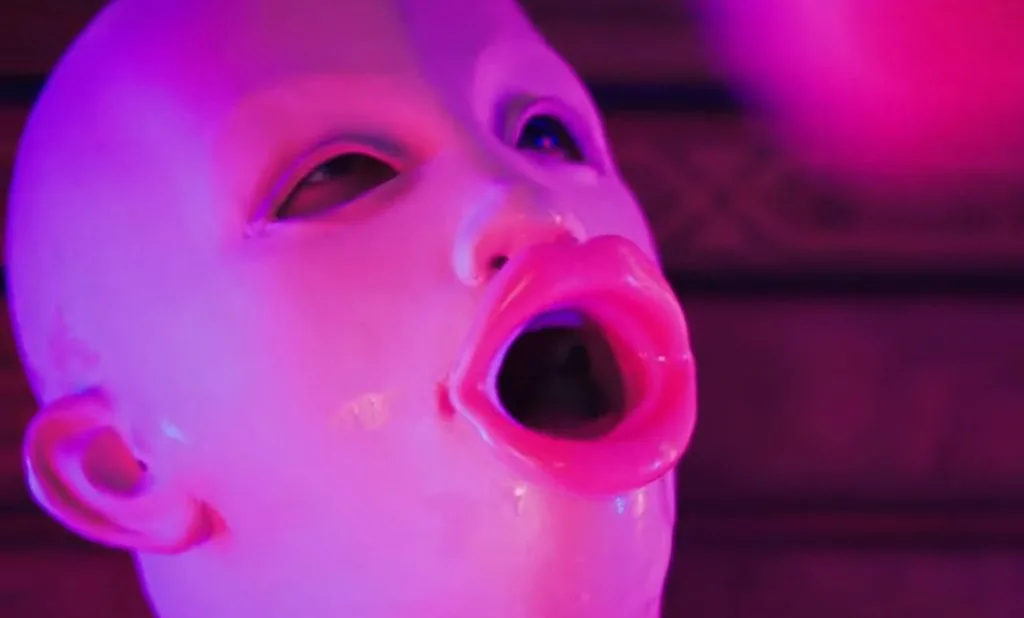
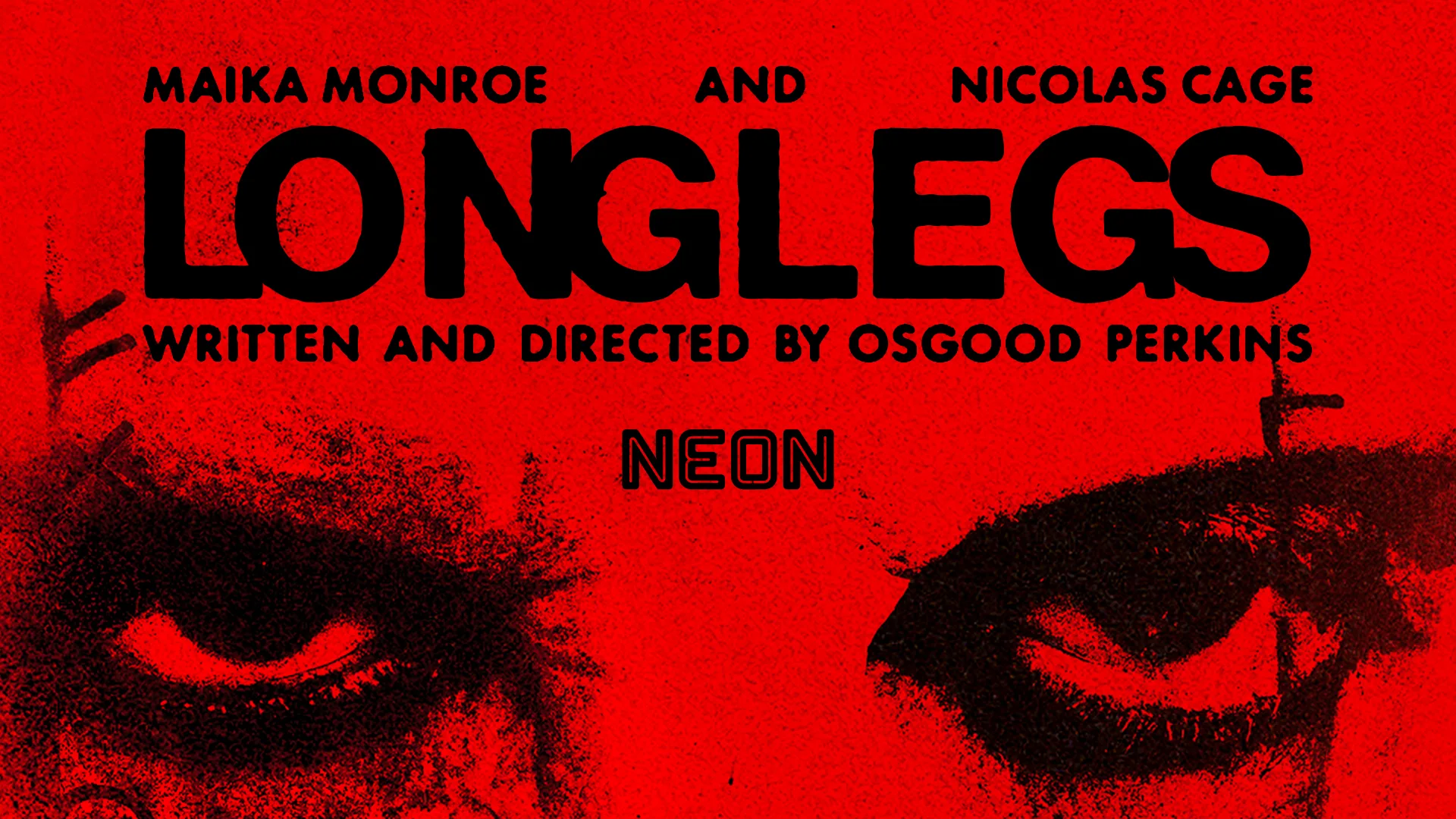
“Longlegs” isn’t your average horror film; it’s a slow-building nightmare that eats away at your soul. At the heart of it is the unsettling “cuckoo,” more than just a sound—it’s a warning. When Nicolas Cage, as Longlegs, hisses it out with his eerie, high-pitched voice, it feels like a declaration of war, announcing a breakdown of the family unit. Just as the cuckoo bird lays its egg in another’s nest, allowing its chick to outlive the host’s young, Longlegs uses the dolls—those empty, eerie porcelain figures— as his tools to invade and destroy families from the inside. The “cuckoo” he sings isn’t just alarming; it heralds a violation that leaves nothing but a void.

This film doesn’t rely on blood and guts; instead, it turns absence into a weapon, with the “cuckoo” call at its center. Longlegs isn’t just some random maniac—he’s a twisted craftsman, a follower of “Mr. Downstairs,” fixated on turning rural families into victims. His strategy? Cuckooing. He seeks out homes with daughters born on the 14th of any month, each birthday a part of his coded messages—those scrawled notes that Agent Lee Harker deciphers with growing horror. The “cuckoo” whispers he hears, sometimes recorded on old tapes or echoing in his mind, signal that an invasion is happening. Then come the dolls, sent through the mail or delivered by Ruth Harker, Lee’s own mother, who plays her part without knowing. They aren’t just meaningless objects; they are the real-life symbols of cuckooing, empty except for the mind of a victim, a grotesque mockery of life that spreads death. Placed in living rooms or nurseries, they’re set to unleash fear, turning fathers into killers and mothers into silent shells, while the birthday girl becomes the offering.

The connection is raw: “cuckoo” signifies the action itself. Just like a cuckoo bird’s egg mimics that of its host, fooling the parents until it’s too late, Longlegs’ dolls also blend seamlessly into the family environment until their true nature takes over. That haunting “cuckoo” he sings—sometimes a giggle, sometimes a growl—serves as a warning, a signal that he’s crossed into the family’s space. The doll becomes the physical evidence of cuckooing: a hollow gaze staring back, not just killing but replacing, stealing away safety, sanity, and soul. It’s not what’s inside the doll that’s frightening; it’s what’s missing—no warmth, no humanity, just an empty shell that spreads decay, driving the family into despair. Longlegs doesn’t barge in; he cuckoos them, slowly and carefully, leaving a devastated nest.

The rural backdrop amplifies the horror. These secluded homes—wooden porches, faded curtains, Bibles on the nightstand—seem safe, like havens of small-town tranquility. But Longlegs turns them into his playground, and the “cuckoo” call destroys that peace. Imagine him lurking in the shadows, pale and greasy, singing that word as he watches his dolls do their work. The birthday murders tied to quiet calendar dates twist celebrations into horror, with the dolls at the center—silent, vacant, wrong. They’re not trophies; they are the instruments of cuckooing, left behind to rot the family from the inside. The “cuckoo” sound lingers in the air, but the doll makes it real, anchoring the invasion in something tangible, something to fear.

Agent Lee Harker bears the brunt of it. Maika Monroe portrays her as a troubled seeker, piecing together Longlegs’ clues while her own past unravels. That “cuckoo” isn’t just a hint; it’s deeply personal. Her mother, Ruth, unknowingly played the role of his courier, delivering those dolls under the guise of holiness—what’s more deceptive than that? The film’s shocking climax, with Ruth shooting a girl in a misguided attempt to “save” her from the doll’s curse, reflects the aftermath of cuckooing: the host harming its own to protect the invader. For Harker, every “cuckoo” she hears—on tape, in memories, in her nightmares—connects back to those dolls, staring at her as if warning her about her own cuckooed existence. They aren’t merely proof; they are reflections of her terror, reminders that her family nest was invaded long ago, leaving her feeling just as hollow.

“Longlegs” understands that true horror isn’t about blood—it’s about the absence of love. When Longlegs whispers “cuckoo,” he’s not just teasing; he’s naming his craft. Cuckooing is his art, and those dolls are his creations—hollow shells that penetrate the family unit, corrupting and erasing it under the illusion of innocence. He’s a dark puppeteer, a birthday-obsessed character who turns homes into graves, and that “cuckoo” is his calling card, signaling the beginning of the takeover. The dolls complete the cycle, standing as reminders of what’s lost, proof that the nest has been destroyed. For Harker, for the families, for all of us, “cuckoo” is not just a word; it signifies violation, emptiness, and the possibility that everything dear to you can be stolen and replaced by a void. This isn’t merely a film—it’s a deep cry into the darkness, with Longlegs’ “cuckoo” and those cursed dolls serving as echoes that refuse to fade.

Authors

Load next article “Longlegs”: The Cuckoo Call Has More To It…