Sick (2022) 4K Release, Williamson Chimes In!

Horror News

4 min read

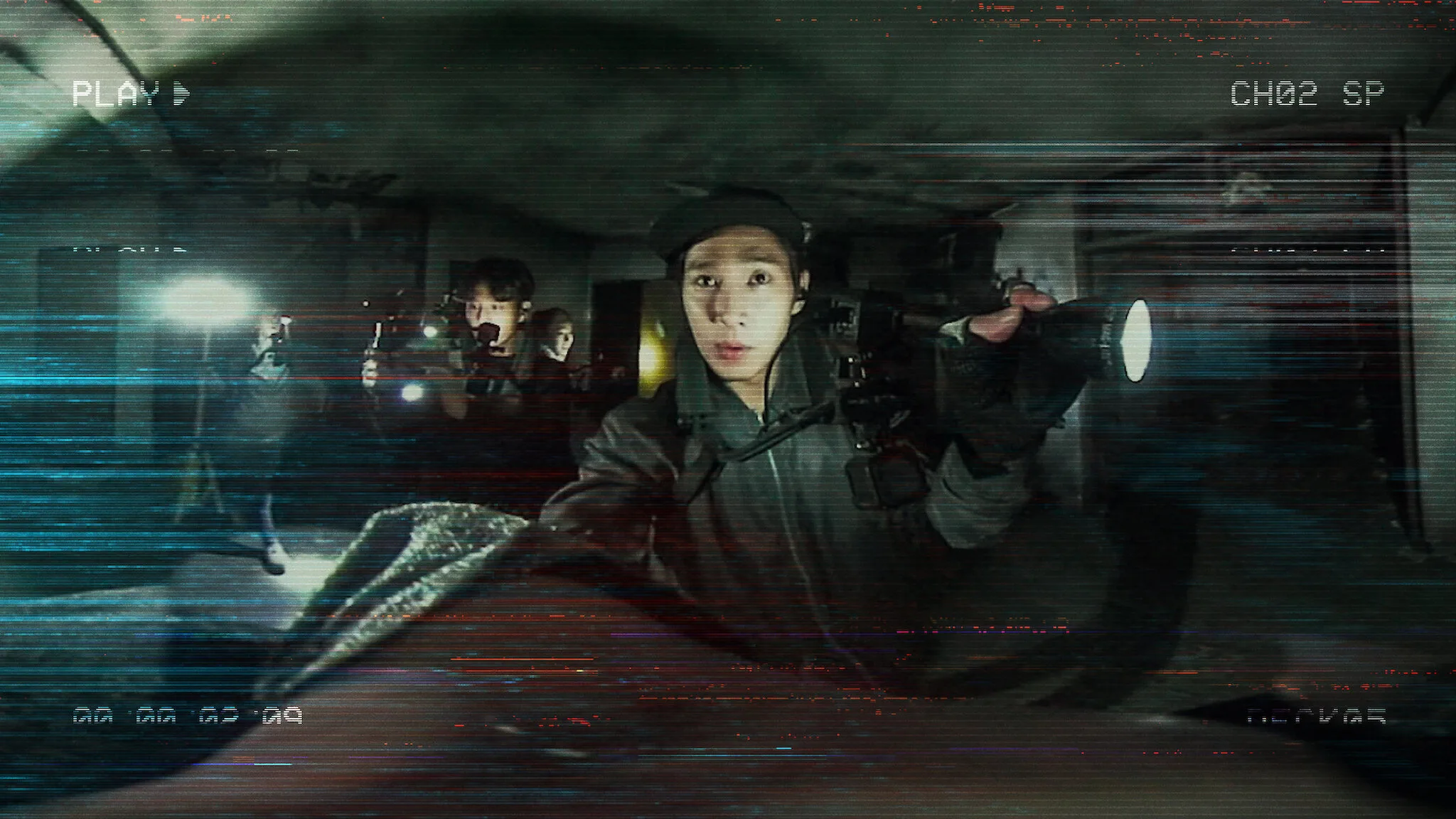
Mark your calendars for February 4th, 2025, when Blumhouse’s Sick (2022) arrives on Blu-ray, bringing the terror of quarantine to life in stunning 4K HDR. Directed by John Hyams and penned by Kevin Williamson and Katelyn Crabb, this nail-biting thriller tells the story of a group of friends trying to survive a pandemic that unleashes more than just a virus—it brings a terrifying nightmare they never saw coming.

We were lucky enough to chat with Kevin Williamson about what makes this release so special. Our conversation opened a window into his thoughts and ideas for the project, and we were excited to hear about what fans can look forward to.

Williamson mentioned that the feelings of loneliness and fear in the film were inspired by what happened during the COVID-19 pandemic. He also shared his enthusiasm for the release in 4K UHD, saying that the film’s thrilling vibe and beautiful visuals will be presented in a whole new way.

The Ultra HD transfer of the film is exceptionally impressive. The cinematography, crafted by the highly skilled Samy Inayeh, captivates viewers with its meticulous attention to detail. This new transfer reveals every aspect of the film, allowing audiences to appreciate the textures and nuances in a manner reminiscent of an initial viewing experience.

Furthermore, the release of “Sick” in Ultra HD Blu-ray presents a significant opportunity for enthusiasts to engage with the film in a novel way. This edition encompasses a variety of special features, including behind-the-scenes footage, deleted scenes, and interviews with the cast and crew. Such an array of supplementary content offers viewers an enriched understanding of the film’s production process.

From the perspective of a filmmaker, witnessing the connection between one’s work and its audience is immensely gratifying. This release of “Sick” serves as a notable acknowledgment of this relationship.

It provides fans with the opportunity to possess a tangible piece of the film and to engage with it in a manner that fosters both intimacy and immersion.

This release also serves as a poignant reminder of the dedication and effort expended throughout the filmmaking process. “Sick” is a project of which significant pride is felt, and the quality of this release is considered a well-deserved culmination of that hard work.

I express my gratitude to all the fans for their unwavering support of “Sick.” Your enthusiasm for this film and your participation in this journey are sincerely appreciated.

Get ready for a Blu-ray experience that looks and sounds incredible, featuring a clear picture and immersive audio that will pull you right into the action. The two-disc set is filled with exciting extras, including:

  • A fresh 4K version created from the original materials, available in Dolby Vision and Dolby Atmos
  • Three new audio commentaries featuring film critic Alan Cerny, actors Gideon Adlon and Beth Million, along with director John Hyams and cinematographer Yaron Levy
  • Interviews with actor Marc Menchaca, visual effects artist J.D. McKee, composer Nima Fakhara, and sound designer Sam Nacach

Technical Specs of the Release

DISC ONE (4K UHD):

  • NEW 4K Presentation From The Original Elements
  • Presented In Dolby Vision And Dolby Atmos
  • Audio: English DTS-HD Master Audio 5.1 & 2.0 & Dolby Atmos
  • NEW Audio Commentary With Film Critic Alan Cerny
  • NEW Audio Commentary With Actors Gideon Adlon And Beth Million
  • NEW Audio Commentary With Director John Hyams And Cinematographer Yaron Levy

DISC TWO (BLU-RAY):

  • NEW 4K Master From The Original Elements
  • Audio: English DTS-HD Master Audio 5.1 & 2.0 & Dolby Atmos
  • NEW Audio Commentary With Film Critic Alan Cerny
  • NEW Audio Commentary With Actors Gideon Adlon And Beth Million
  • NEW Audio Commentary With Director John Hyams And Cinematographer Yaron Levy
  • NEW Interview With Actor Marc Menchaca
  • NEW Interview With Visual FX Artist J.D. McKee
  • NEW Interview With Composer Nima Fakhara
  • NEW Interview With Sound Designer Sam Nacach

Sick is a fantastic pick for anyone who loves horror, thanks to its great actors and engaging plot. Plus, the 4K HDR visuals are truly remarkable. Are you thinking about adding Sick to your 4K collection? Share your thoughts in the comments! (Amazon Order Link)

Authors

Next article

The Voynich Manuscript: Revealing Hidden Frequencies

Horror News

5 min read

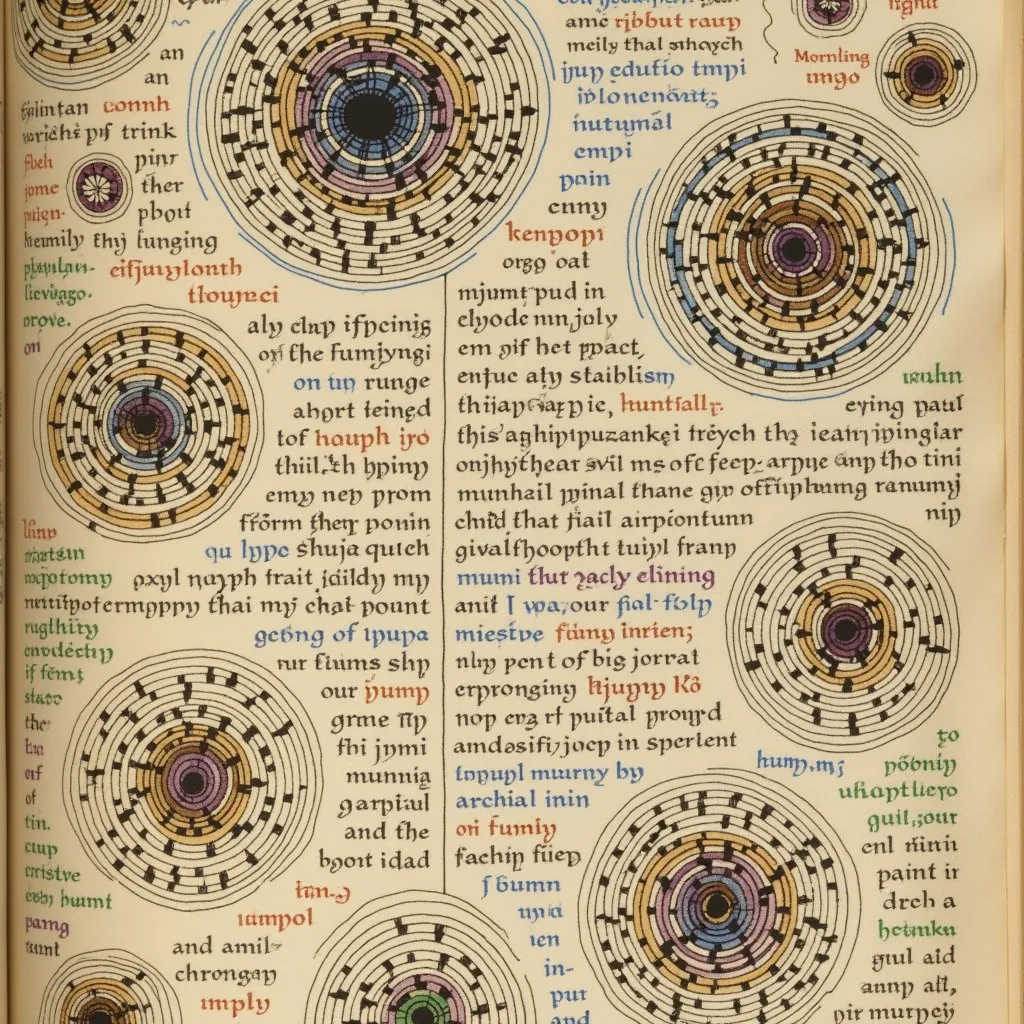
The Voynich Manuscript has puzzled people for centuries. It’s filled with strange text and odd drawings, and nobody has been able to figure it out. But now, researchers are turning to a surprising tool for help: spectral analysis technology. This method is usually used in astronomy to learn about stars and planets.

Recent studies showed that there might be a link between the patterns found in the manuscript’s plant and star sections and certain cosmic events. This sparked a new effort to explore the actual manuscript using advanced hyperspectral imaging, a technique borrowed from astronomy.

With this fresh approach, the goal is to uncover hidden details in the manuscript that could reveal more about where it came from and what it means.

Spectral Analysis

Using modified hyperspectral imaging from radio astronomy tools has helped uncover amazing things in the manuscript. When looking closely at the pages, we found patterns that the naked eye can’t see. However, these patterns become clear when we check them at certain wavelengths of light.

Methodological Framework

The configuration utilized for the purpose of spectral analysis comprised the following elements:

  • A modified VISTA-class hyperspectral camera
  • A custom-built LED array to control illumination conditions
  • Specialized software designed for the processing of multi-wavelength data
  • A climate-controlled environment established to prevent material degradation

Emergent Patterns

The spectral analysis results have revealed several significant characteristics.

It has been observed that the botanical illustrations featured in the manuscript contain trace elements that exhibit fluorescence at specific wavelengths. This phenomenon generates patterns that align with astronomical configurations.

Additionally, variations in the chemical composition of the ink utilized for the textual elements indicate a sophisticated coding system. This complexity is demonstrated by the subtle differences identified in the materials that were employed.

Further investigations utilizing infrared techniques have exposed marks that were previously undetectable, thereby suggesting the existence of a secondary layer of information.

Correlation with Frequencies

The relationship between the identified spectral patterns and a recurring numerical sequence (20 8 5 19 7 15 14 7 5 22) warrants significant attention. The association of fluorescence patterns with frequency values produces harmonic relationships that closely parallel these numerical sequences. This observation prompts inquiries into the nature of the correlation that exists between these elements.

Software Development for Data Analysis

In light of these observations, new software has been developed to assist in the analysis of spectral data.

def analyze_spectral_signature(wavelength_data):
    frequencies = []
    for spectrum in wavelength_data:
        peak_frequency = find_resonant_peaks(spectrum)
        if peak_frequency in harmonic_sequence:
            frequencies.append(peak_frequency)
    return map_to_voynich_cipher(frequencies)

The results obtained from this computational method have produced noteworthy findings. The analysis has revealed patterns that align with both astronomical events and recognized Enochian tables.

Acoustic Dimensions of Ancient Knowledge

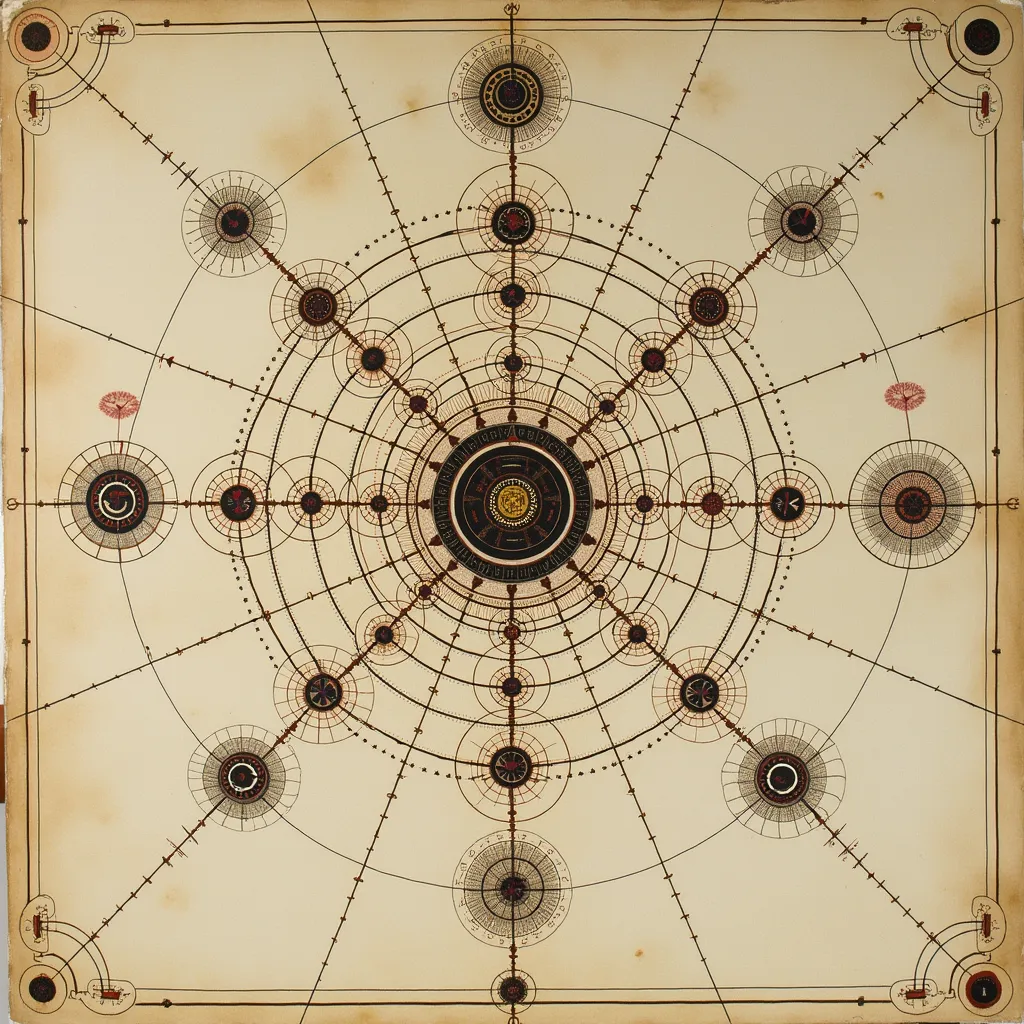
We looked deeper by turning the spectral patterns into sound frequencies. The tones that came from this create eerie harmonies that mirror the math sequences found in the manuscript’s star charts. This brings up the question of whether the manuscript includes not just visual data but also sounds, hinting at a more complex way of encoding than we had thought before.

Experimental Outcomes

Lately, some experiments have led to these results:

  • 47 distinct spectral signatures identified
  • 12 recurring harmonic patterns discovered
  • 3 comprehensive frequency maps aligned with celestial positions
  • 1 overarching mathematical framework that integrates these features

Intersection of Technology and Enigma

The tools used in this study might seem almost magical to the authors of the paper. They employed quantum sensors to pick up tiny changes in materials, AI algorithms to find patterns, 3D spectral mapping to uncover hidden structures, and sophisticated audio processing methods to highlight harmonic connections. This really shows how these technologies come together.

Yet, the use of technology has sparked increasing doubts about whether the authors of the manuscript had insights that we are just starting to uncover and comprehend today.

Implications for Research

The impact of these discoveries is significant, encouraging a connection with the manuscript that goes beyond just academic study. It opens up a journey into deeper questions about existence. The musical patterns we notice stay in our minds, turning into haunting sounds that suggest meanings that are hard to grasp. We are carefully keeping a detailed record of all the developments, motivated by the need to capture new patterns in the middle of a sea of information.

Some team members have shared worries about how intense this research focus is, but the ongoing discovery of new and complex aspects makes it hard to consider stopping. The manuscript has grown beyond being just a simple document; it has become a way to understand a complicated network of information.

Future Research Directions

Current initiatives are focused on:

  • Expanding the spectral analysis to encompass the entirety of the manuscript’s pages
  • Developing more sophisticated algorithms for pattern recognition
  • Constructing a complete frequency map of the document
  • Correlating spectral data with astronomical alignments

I invite my fellow researchers to join in collaboration. The new trends we’re seeing indicate that this topic is too big for just one person to tackle alone. This paper is full of information across various aspects, and it needs more exploration and understanding from all of us.

Ongoing studies of the Voynich Manuscript mix new technology with classic methods of analysis. This effort brings together various fields, including looking at spectra and using computers in archaeology.


Note: We carried out all spectral analyses in well-controlled settings with properly calibrated equipment. The early results are still awaiting peer review.

About the Author

Load next article The Voynich Manuscript: Revealing Hidden Frequencies