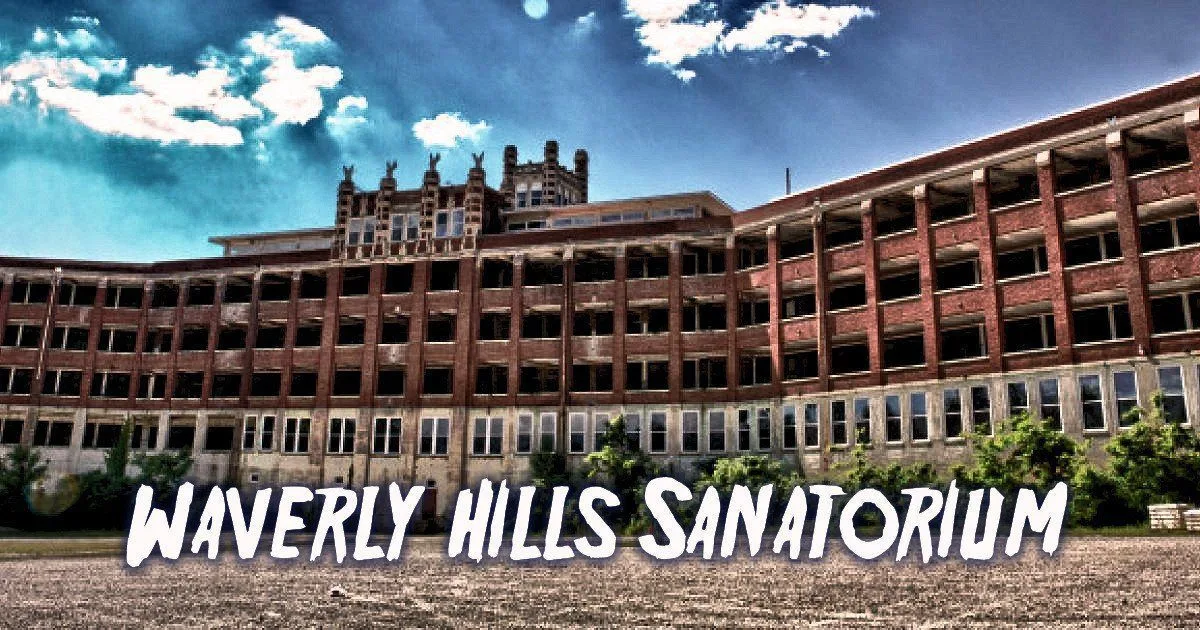
Waverly Hills Sanatorium Facts

FACTS

3 min read

Waverly Hills Sanatorium

Updated August 2026: Waverly Hills joins haunted landmarks like Trans-Allegheny, Danvers State Hospital, and Rose Hall plantation.

When you think of haunted, horrific hospitals there is no doubt that the Waverly Hills Sanatorium comes to mind, with a dark history of abuse, scandals and hauntings there is no other hospital on earth that has a dark reputation like Waverly Hills.

Horror Facts has put together the ultimate collection of Waverly Hills Sanatorium facts to provide in depth information about the abandoned hospital for both new readers and those who are familiar with the famous tuberculosis wards inside this legendary location.

The History of Waverly Hills

The hospital originally opened in 1910 with a purpose of housing those infected by the tuberculosis epidemic. Taking a look back into the the early 1900s, Jefferson County was one of the largest hotspots or super spreaders for its time causing wave after wave of of tuberculosis – which was being called the “White Plague”. Due to the severity of the disease and its uncontrollable spread the state had called for construction of a new hospital.

Waverly Hills
Waverly Hills

While Waverly Hills Sanatorium was created to help ease the patients suffering and provide top quality medical care for TB (tuberculosis) the amount of pain and suffering that would follow nobody would have ever expected.

From August 31, 1912 until the completion of Waverly Hills Hospital for advanced infection cases, all tuberculosis patients from the Louisville, Kentucky City Hospital were moved into temporary medical tents on the Waverly Hills grounds whilst construction was being completed.

An advanced cases’ medical hospital opened in December 1912 to treat 40 additional patients. There were 130 patients in the hospital by 1914 when a new children’s pavilion was added. In addition to ill children, the children’s pavilion also provided care to tuberculosis patients’ children who needed it creating a social or state run care system. As new buildings were added each year, the number of beds may have even exceeded what was listed. Nobody knows for certain just how many may have passed through the care system implemented.

The hospital continued to expand into not just one ward but many wards, even including an underground tunnel which has been given the name ‘ Death Tunnel ‘.

Now that you know the history on the original plan for the renowned hospital, lets dive into the facts about Waverly Hills Sanatorium

Waverly Hills Sanatorium

Stats and Facts

A highly populated area of Louisville, Kentucky suffered from the most tuberculosis deaths in the country, leading to over 8000 deaths occurring just inside the walls of Waverly Hills.

At the same time as the main building, a tunnel (also called “the body chute”) was built. It begins on the first floor and continues down 500 feet (150 meters) to the very bottom of the hill. Steps were installed on one side of the hospital so workers could enter and exit without having to climb a steep, dangerous hill. In order to transport supplies to the top of the tower, the other side of the tower had rails and carts powered by motors.

The Ultimate Resource for Waverly Hills Sanatorium Facts: Find even more haunted locations and facts in our facts database.

About the Author

Next article

Danvers State Hospital: Dark Facts

FACTS

5 min read

Danvers State Hospital the true story

Updated August 2026: Danvers is one of many. Continue the asylum trail with West Virginia’s haunted Trans-Allegheny Lunatic Asylum.

The Full Story of Danvers State Hospital: A Legacy of Gothic Design and Mental Health Care

There is a lunatic asylum in Danvers, Massachusetts, also known as The Danvers State Hospital.

The striking outline of Danvers State Hospital (previously known as the Danvers Lunatic Asylum) , located on Hathorne Hill in Danvers, Massachusetts, reflects both the changing landscape of mental health treatment and the troubling parts of psychiatric history in the U.S. This detailed look takes us through the hospital’s fascinating path from its ambitious start to its complicated legacy.

The Beginning and Design of Danvers State Hospital

When Danvers State Hospital opened in 1878, it was a standout example of 19th-century psychiatric facility design. Built at an impressive cost of $1.5 million, the building was a stunning representation of High Gothic style, crafted by architect Nathaniel Jeremiah Bradlee. Its unique bat-wing floor plan gained fame in architectural discussions and popular culture.

The original setup included:

  • A main administration building with four wings on each side
  • Separate wards for male and female patients, arranged thoughtfully for care
  • Facilities like a chapel, kitchen, and laundry
  • Living quarters for staff
  • A wide tunnel system linking all key buildings
  • A reliable water supply drawn from Middleton Pond

The Flourishing Years: Early Progress and Creativity

In its early days, Danvers State Hospital was a symbol of hope for mental health treatment. By 1900, it had treated over 9,500 patients with a staff of 125 dedicated people. Its reputation for quality care drew patients from across New England, and it operated like a self-sufficient community with its own farm, power plant, and cemetery.

The Decline: Overcrowding and Problematic Treatments

The hospital’s early success came at a price. Originally designed for 450 patients, by the early 20th century, it held more than 2,000 individuals. This severe overcrowding severely impacted care and living conditions, resulting in:

  • Widespread use of questionable treatments such as frontal lobotomies
  • Use of shock therapy and experimental drug treatments
  • Poor hygiene and inadequate patient care
  • Patients roaming through hallways unsupervised
  • Basic human dignity often neglected due to a lack of resources

The Human Toll: A Legacy of Loss

One of the most heartbreaking aspects of Danvers’ story is its cemetery, where 770 patients were buried in numbered graves without proper headstones. While this was a common practice for institutions of that time, it has led to ongoing efforts for remembrance and healing. In 2002 and 2015, memorial services were organized to honor these forgotten individuals, with local volunteers working hard to identify and commemorate the deceased.

Cultural Influence and Literary Impact

Danvers State Hospital’s striking presence and troubled past have greatly influenced American popular culture. It notably inspired famous horror writer H.P. Lovecraft’s fictional Arkham Sanitarium. Lovecraft, who spent time in nearby Salem, used Danvers’ Gothic design and atmosphere when creating his famous Arkham setting, which still influences horror literature and media today.

The hospital’s significance continues today, having served as a filming location for the 2001 horror movie “Session 9.” Even in its abandoned state, the building attracted many urban explorers, with authorities apprehending around 150 trespassers over the years.

The Hidden Network: Danvers’ Underground System

One of the most fascinating features of Danvers State Hospital was its extensive tunnel system. These underground routes had several purposes:

  • They connected all important buildings in the complex
  • They made year-round supply distribution easier
  • They housed utility systems
  • They linked staff housing to main facilities
  • They connected to the power plant at the base of the hill

Modern Legacy and Preservation Efforts

Although much of the original Danvers State Hospital has been redeveloped, its legacy persists through preservation efforts, historical records, and ongoing conversations about mental health care reform. The site serves as a cautionary tale regarding institutional mental health care and as a reminder of the importance of treating mental health patients with dignity and respect.

Learning from History: The Impact on Today’s Mental Health Care

The story of Danvers State Hospital offers essential lessons for modern mental health care:

  • The need for proper patient-to-staff ratios
  • The importance of ethical treatment standards and oversight
  • The significance of respecting patients’ dignity and rights
  • The role of adequate funding and resource distribution in mental health care

A True Horror Hospital….

Danvers State Hospital stands as a strong symbol of both progress and setbacks in mental health treatment throughout American history. Its story resonates with those interested in the history of architecture, the evolution of mental health care, and the complicated relationship between institutional care and human dignity. As we advance our understanding and treatment of mental illness, the lessons learned from Danvers State Hospital remain crucial.

Author’s Note: This article aims to provide a fair view of Danvers State Hospital’s story while recognizing the human impact of institutional mental health care in the early 20th century. We remember those who lived and died there, striving to learn from both the successes and the shortcomings of this institution.

About the Author

Load next article Danvers State Hospital: Dark Facts