The world of horror thrives on the macabre, the unsettling, and the chilling unknown. But what happens when the lines between fiction and reality blur, leaving readers questioning the very fabric of their fear?
Enter Jasper Bark, an author who dared to play a game of literary hide-and-seek with his latest trilogy, “Draw You In,” and a fictional horror comic artist named R.L. Carver.
Bark’s audacious plan involved creating a series of faux horror comics supposedly penned by the non-existent R.L. Carver. These meticulously crafted pages, reminiscent of the 50s and 70s horror styles, were then presented to prominent comics news sites. The story? Unearthed relics discovered in a dusty collector’s attic, begging the question: who was R.L. Carver?
News sites like Downthetubes, Tripwire, and Diversions of the Groovy Kind unwittingly became part of Bark’s elaborate scheme, running the “discovered” comics and sparking a frenzy amongst comic fans eager to unearth the mysterious creator.
The internet, naturally, became a hunting ground for R.L. Carver’s history, with some readers even accepting the narrative as genuine.
But the fun didn’t stop there. Jasper went a step further, incorporating real-life comic legends Walt and Louise Simonson into his novels, blurring the lines even more.
The Simonsons not only appeared as characters, but also wrote their own dialogue and actions, creating a unique meta-narrative within the trilogy.
Two months into the charade, with the first book, “Draw You In, Vol 1 – Collector’s Item,” already released, Bark finally confessed. The internet, abuzz with the revelation, was left with a question: was this a shameless publicity stunt, or a bold artistic statement?
Art or Artifice? Bark argues the latter. “Draw You In” explores not only the history of horror comics but also the ever-shifting boundaries between reality and fiction. By creating R.L. Carver and weaving him into the real world of comics news sites, Bark sought to demonstrate that very theme.
Whether this was a clever marketing ploy or a genuine artistic experiment is left to interpretation.
But one thing’s for sure: Jasper Bark has successfully created a buzz around his trilogy, leaving horror fans eager to delve into “Draw You In” and see for themselves how far the lines between fiction and reality can truly be stretched.
About Jasper Bark
Award winning author, Jasper Bark is infectious – and there’s no known cure. If you’re reading this you’re already contaminated. The symptoms will manifest any time soon. There’s nothing you can do about it. There’s no itching or unfortunate rashes, but you’ll become obsessed with his mind-bending books.
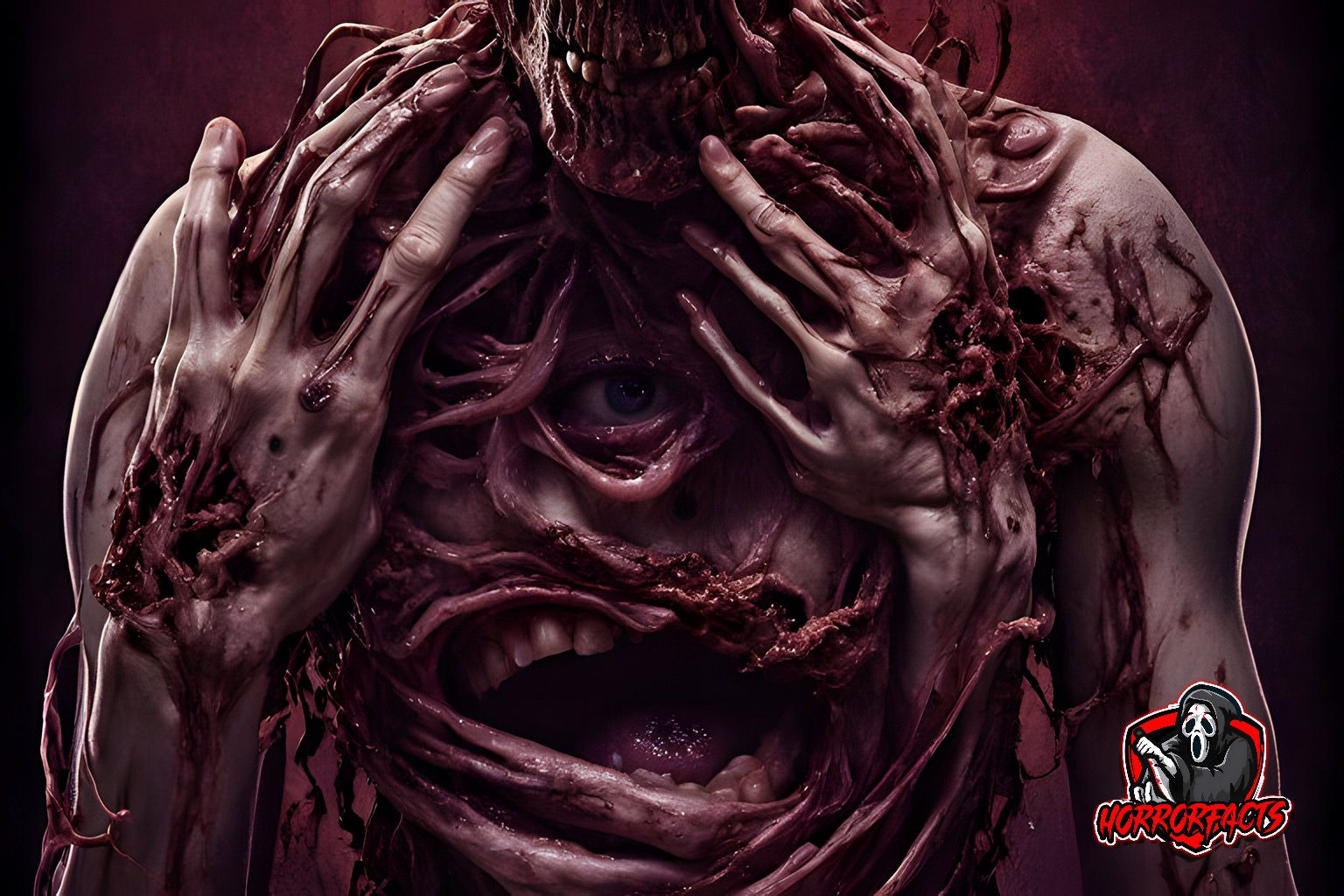
Body horror isn’t for the squeamish. It’s a genre that plunges headfirst into the unsettling realm of bodily transformation, a symphony of grotesque mutations where flesh twists and contorts, blurring the lines between human and monster. It’s a visceral exploration of what happens when our bodies betray us, morphing into something alien and terrifying.
Masters of the Macabre: Pioneers Who Carved a Path Through Nightmares
Body horror wouldn’t be the disturbing symphony of flesh and fear it is today without its iconic pioneers. Take David Cronenberg, the undisputed “King of Venereal Horror.” His career has been dedicated to exploring the unsettling intersection of technology and flesh. Just look at films like “Videodrome” (1983) and “The Fly” (1986).
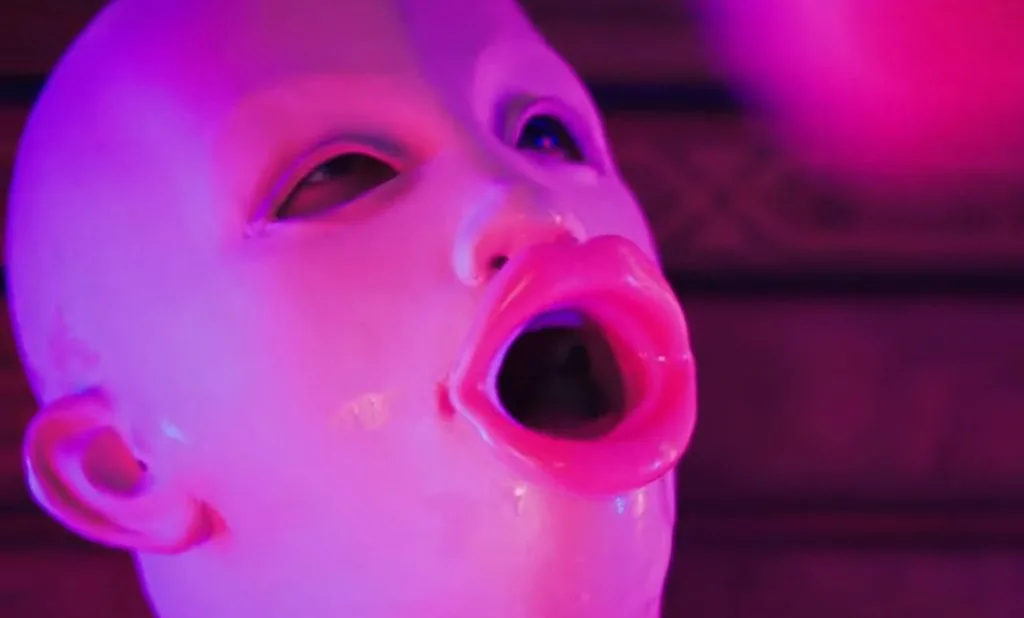
Videodrome throws viewers into a disturbing descent into paranoia. A man becomes inexplicably linked to a broadcast signal that warps his mind and body. Grotesque imagery and psychological torment intertwine in a masterclass of body horror. The Fly offers a more visceral experience. A scientist’s experiment goes tragically wrong, leading to a horrifying transformation as he becomes one with the insect he studied. Cronenberg’s films force us to confront the dehumanizing effects of technology and the chilling possibility that it could control our very bodies.
John Carpenter, the maestro of practical effects, takes a different but equally unsettling approach. His 1982 masterpiece, The Thing, remains a chilling testament to the power of practical effects in creating truly horrifying creatures. The film’s alien entity is a shape-shifting monstrosity capable of assimilating any living organism. This results in a nightmarish display of ever-shifting flesh and bone. The constant suspicion and paranoia surrounding the creature’s true form fuels the film’s chilling atmosphere, leaving viewers questioning who – or what – they can trust.
Beyond the Classics: A Grotesque Menagerie of Mutations
Body horror isn’t confined to the works of a select few. Several films have pushed the boundaries of the grotesque, offering unique takes on bodily transformations.
“Society” (1989): A disturbing journey into the world of a wealthy Beverly Hills family harboring a dark secret: their true forms are grotesque, parasitic creatures hidden beneath a facade of normalcy. The film’s climax is a truly unforgettable spectacle, albeit a stomach-churning one.
“Shivers” (1975): David Cronenberg’s early work delves into the concept of venereal parasites that alter human behavior and appearance, leading to a nightmarish outbreak. The film’s depiction of mutated bodies and uncontrollable urges is a potent metaphor for the anxieties surrounding sexually transmitted diseases.
“Tetsuo: The Iron Man” (1989): This Japanese film takes a more cyberpunk approach. The protagonist, transformed by a mysterious object, becomes a grotesque amalgamation of flesh and metal. “Tetsuo” is a visceral exploration of the boundaries of humanity in a technological age, where the line between man and machine becomes increasingly blurred.
The Allure of the Grotesque: Why Body Horror Resonates
Body horror isn’t just about shock value. These films tap into a primal fear of the violation and transformation of our own bodies. They force us to confront the fragility of human flesh and the potential for unknown forces, be it technology, parasites, or something more sinister, to disrupt our sense of self. Unlike slashers that rely on external threats, body horror creates a sense of unease from within.
Social Commentary Through Disfiguration
Many body horror films use grotesque transformations as a metaphor for social anxieties. “Videodrome” can be seen as a commentary on the dehumanizing effects of media, where technology bombards us with a constant stream of violence and disturbing imagery. “The Thing” reflects the paranoia of the Cold War, where the enemy could be anyone, and trust was a scarce commodity.
Films like “Shivers” explore societal anxieties surrounding sexuality and disease. “Society” takes aim at the hypocrisy and materialism of the wealthy elite. These films challenge viewers not just on a visceral level, but also on an intellectual one, prompting us to question the world around us.
A Legacy of Unease: Body Horror’s Enduring Influence
Body horror continues to evolve, finding new ways to explore the anxieties of our time. Films like “Hereditary” (2018) utilize unsettling body imagery to delve into themes of grief and familial trauma. The contorted bodies and disturbing physical manifestations of grief push the boundaries of the genre, creating a sense of unease that lingers long after the credits roll.
Similarly, “Annihilation” (2018) explores the nightmarish effects of a mysterious environmental phenomenon known as “The Shimmer.” This invisible force alters the bodies of those who enter it, resulting in grotesque mutations and a chilling sense of biological violation. “Annihilation” uses body horror to explore themes of environmental destruction and the unknown consequences of human interference with nature.
So next time you witness a scene of grotesque transformation on screen, remember: it’s not just about shock value. Body horror taps into a primal fear of the violation and transformation of our own bodies. It forces us to confront the fragility of human flesh and the potential for unknown forces to disrupt our sense of self. These films act as a disturbing mirror reflecting the anxieties of our time, prompting us to question the world around us and the potential consequences of technological advancements, environmental changes, or even the darkness that can lurk within families.
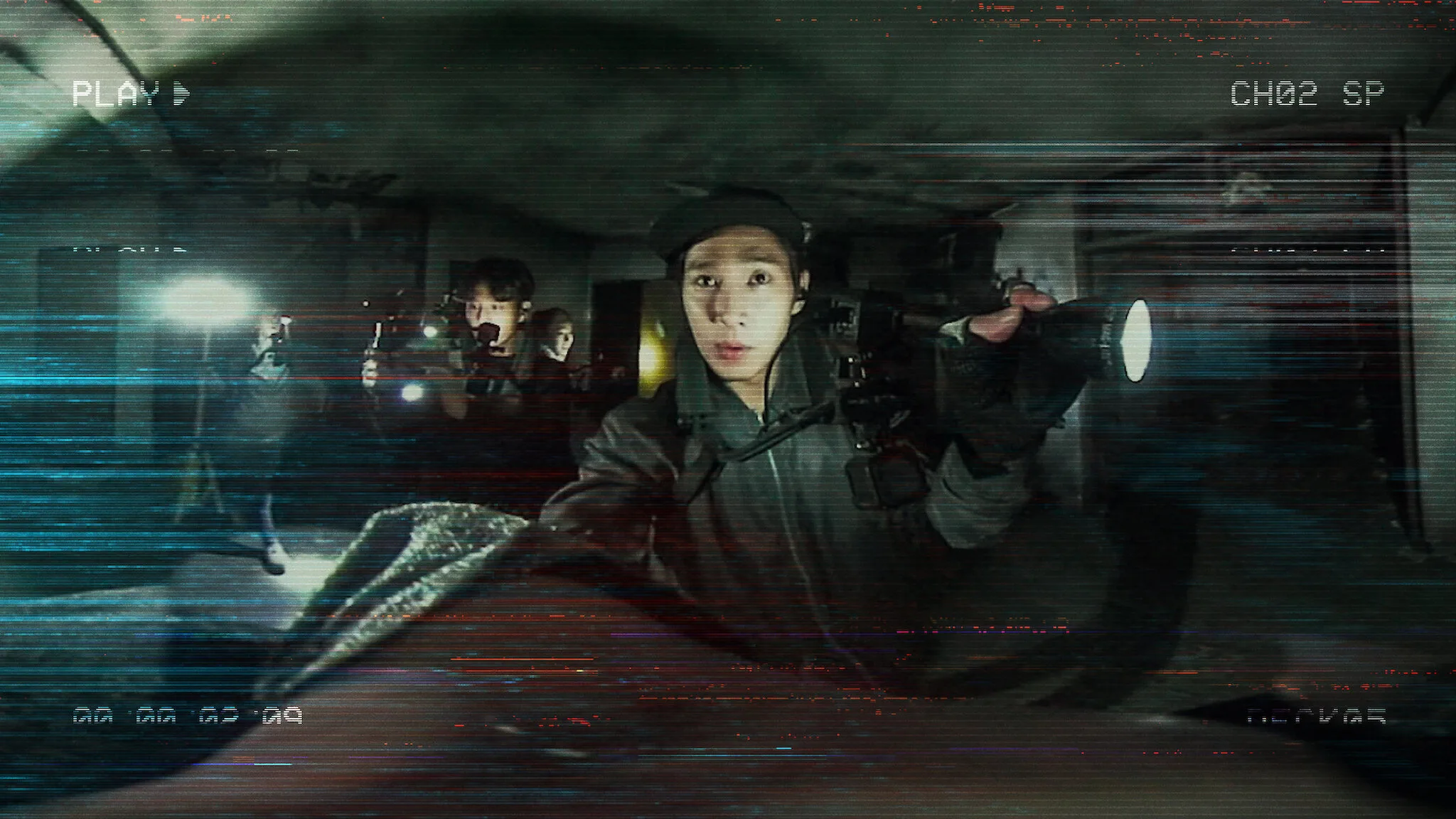
Lock your doors and grab your leather jackets—the modern found footage masterpiece Gonjiam: Haunted Asylum is officially getting a sinister new remake.