Revisit the Stylish Gothic World of Underworld – An Influential Horror Action Hybrid

Horror Facts Original

2 min read

Underworld

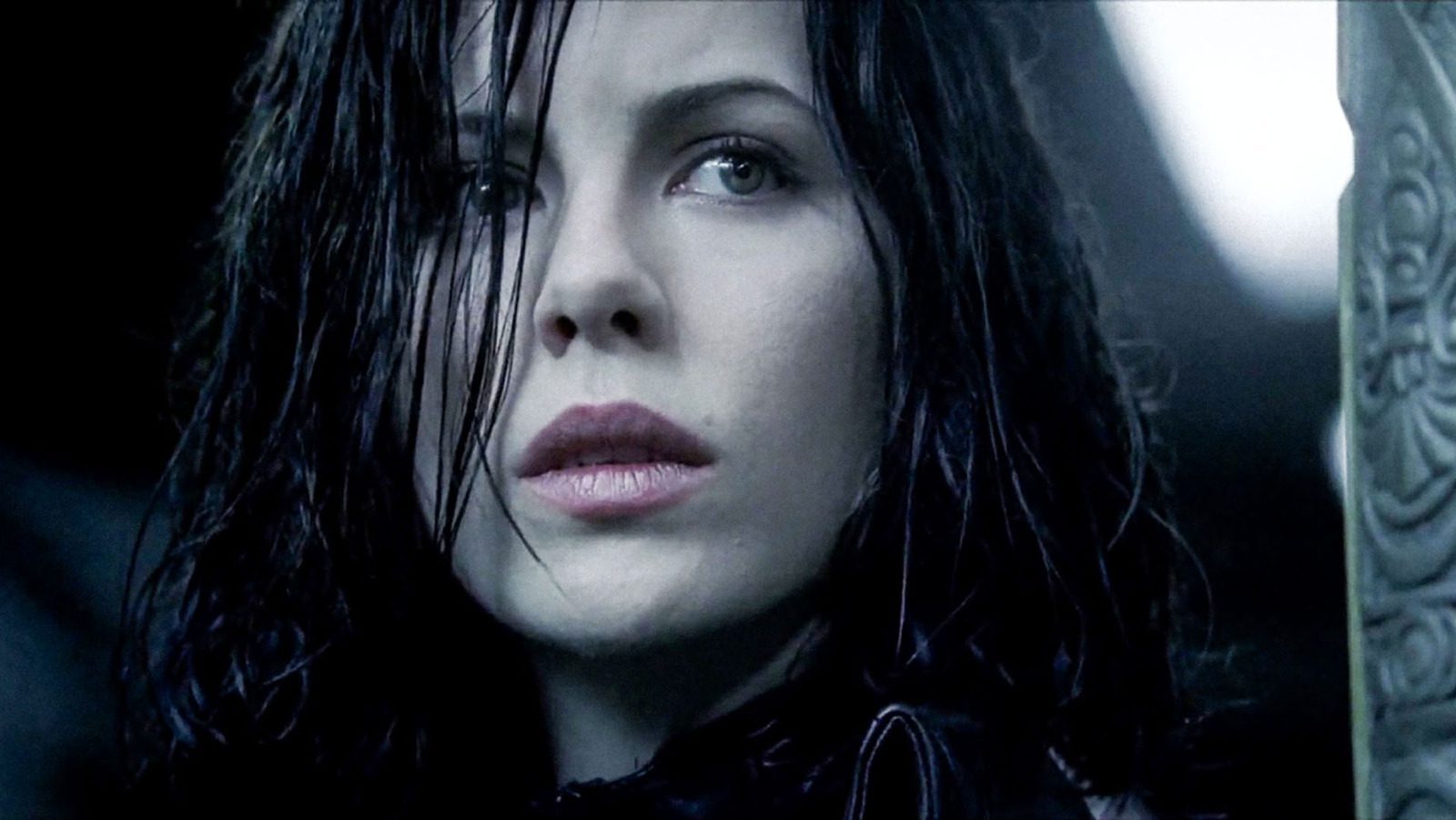
Greetings ghouls and vamp tramps! Our horror haul grows ever darker as All Hallow’s Eve approaches. Let’s pursue October’s waning nights further into the seedy underbelly of centuries-old monster turf wars with Underworld, director Len Wiseman’s slick 2003 hybrid fusing creature features with sci-fi action.

Underworld introduced viewers to a perpetual secret war between aristocratic vampires and feral werewolves (properly called Lycans in the story’s mythos). Centuries of violent conflict arise from forbidden love between vampire Selene and Lycan Lucian, spawning byzantine plotting and tribal vendettas. A familiar Romeo & Juliet trope done gothic.

But the original Underworld transcends B-movie trappings via addictive style and pacing. Wiseman crafts a perpetually rainy, grimy urban atmosphere teeming with aristocratic covens and feral beast dens straight from horror tradition. Leather-clad Kate Beckinsale proved an inspired choice as brooding heroine Selene with her combination of melancholy beauty and imposing physicality.

The stylish gloom and parkour-infused action scenes quickly won over genre fans, making Underworld a surprise box office hit. Critics also praised the gloomy comic book sensibilities and engrossing if convoluted central feud. Underworld revived classic monster archetypes as slick, kinetic blockbuster fare without losing their elegant gothic edge.

Underworld also deserves recognition for pioneering the popular hybrid sub-genre fusing creature features, science fiction, and high-octane action. Its blue-tinted world of ancient rival species warring across eerie cityscapes became quasi-trendsetting. Later efforts like Blade andVan Helsing built upon its foundation.

While spawning over-stuffed sequels of declining quality, that initial Underworld entry remains sterling Gothic action horror. This Halloween season, revisit where Beckinsale and Wiseman first immersed us in an ever-entertaining cycle of monstrous tribal vengeance, forbidden paranormal romance, and plenty of bravura underground ass-kicking. Just don’t get bitten along the way!

About the Author

Next article

Devils Night: Halloween’s Evil Eve

FACTS

3 min read

Devils Night what is this event when does it happen

Updated August 2026: Devils Night is Halloween’s ugly warm-up act. For October coverage see our Michael Myers timeline and haunted house checklist before the fires start.

Updated: October 19th, 2023

The night before Halloween, sometimes known as Devil’s Night, has always been recognized for its pranks, in contrast to Halloween itself, which is typically considered as a night of sweets. The night before Halloween, which is also known as Mischief Night, has taken on a significantly different significance over the course of history. In the past, it was associated with helping young women find husbands. Later, it became associated with organized witch hunts. Protests and vandalism have occurred on this night throughout the centuries, and their frequency has increased during times of economic and social unrest.

The evening of October 30th, the night before Halloween, is commonly referred to by the term Devil’s Night. It is connected to the tradition of “Mischief Night,” which is observed in several areas of the United States, such as Philadelphia. However, it is most commonly linked with the severe vandalism and arson that occurred in Detroit, Michigan, between the late 1960s and the 1990s.

During the 1930s and 1940s, the city of Detroit was visited by Devil’s Night. Traditionally, city youths would spend one night engaging in mischievous or petty criminal behavior. This would typically consist of harmless pranks or acts of mild vandalism (such as egging, soaping, or waxing windows and doors, leaving rotten vegetables or flaming bags of canine feces on stoops, or toilet papering trees and shrubs), which caused little to no damage to the victim’s property.

Burning fire pumpkin of devils night
Picture by Toby Ord, CC BY-SA 2.5 https://creativecommons.org/licenses/by-sa/2.5, via Wikimedia Commons

Some practical jokes were, in fact, quite innocuous, while others had long-lasting and disastrous repercussions on the communities they targeted. The “tricks” started to make headlines in the United States in the 1930s and ’40s, which contributed to the rise in popularity of Mischief Night during those decades.

However, by the early 1970s, acts of vandalism had progressed to include more damaging behaviors such as setting fires. This was most prevalent in the central business district, but it also frequently spread to the suburbs around the city.

In the inner-city communities of Detroit, the criminal activity became increasingly damaging, and it included hundreds of incidents of arson and vandalism each year. The devastation was at its greatest in the middle to late 1980s, when there were more than 800 fires started in 1984.

Coleman Young, the mayor of Detroit, finally had enough by 1985. More than 8,000 police, firefighters, and city personnel were organized under his commands; vehicles combed the streets searching for telltale indicators, such as young people with gas cans.

By the 2000s, thanks to volunteer efforts, Detroit’s arson plague had been all but eradicated, a community reaction that garnered (nearly) as much attention as the crisis that prompted it. The city has even succeeded in renaming October 30 as Angels’ Night. Even while kids still pull pranks on the night before Halloween, it’s no longer a big international story. Security cameras have also cut down on equally stormy evenings in New Jersey and Philadelphia, where youths could be too absorbed with cellphones and other diversions to turn to arson.

Devils Night just so happens to be tonight October 30th, 2022.

Image Credits
Chris Yarzab, CC BY 2.0 https://creativecommons.org/licenses/by/2.0, via Wikimedia Commons

About the Author

Load next article Devils Night: Halloween’s Evil Eve