INTERVIEW WITH THE VAMPIRE (1994): THE GOTHIC MASTERPIECE THAT REDEFINED VAMPIRE HORROR

Editorials

4 min read

By Sammy, Knife in the Dark’s resident bloodshed historian and reluctant Anne Rice apologist


🩸 INTRODUCTION: WHEN HOLLYWOOD DRAINED THE CUP OF IMMORTAL MELODRAMA

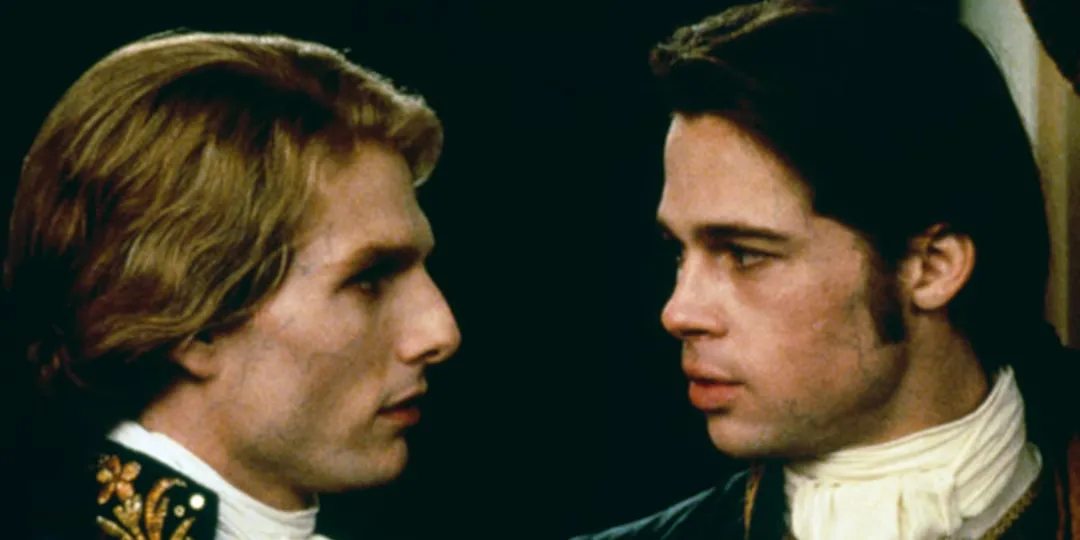
Let’s slice through the velvet curtain of time—Interview with the Vampire isn’t just a movie. It’s a two-hour operatic fever dream where Tom Cruise’s fangs glint like blasphemous diamonds, Brad Pitt’s cheekbones could cut glass, and Antonio Banderas oozes more erotic menace than a cathedral full of forbidden frescoes. Released in 1994 amid Rice’s infamous pre-release fury (she called Cruise “a casting mistake”), this Neil Jordan-directed adaptation should have collapsed under its own gothic weight. Instead? It became the blueprint for every brooding vampire tale since.

As someone who once wore a lace cravat unironically after seeing this (1995 was a dark year), I’m here to dissect why Interview remains the most sumptuously savage vampire film ever made—flaws, fangs, and all.


⚰️ THE PLOT: IMMORTALITY TASTES LIKE HELL

Act 1: The Birth of a Monster

  • Louis (Pitt): A guilt-ridden 18th-century plantation owner turned emo vampire by…
  • Lestat (Cruise): A hedonistic, champagne-guzzling fiend who treats immortality like the world’s longest brunch.
  • The Turning: A blood-drenched baptism in a New Orleans gutter. “Drink from me, Louis!” becomes cinema’s sexiest threat.
  • Sammy’s Take: “This is why you don’t accept drinks from strangers—especially if they sparkle.”

Act 2: The Vampire Nuclear Family

  • Claudia (Kirsten Dunst): A child turned immortal, trapped in a doll’s body with a killer’s instincts. Dunst’s performance? Chilling.
  • The Dysfunction: Lestat plays “daddy,” Louis plays “disappointed mom,” and Claudia stabs people with hairpins.
  • Sammy’s Note: “The real horror? Co-parenting with Tom Cruise for eternity.”

Act 3: Parisian Blood Opera

  • Armand (Banderas): The leader of Paris’ theater-vampire coven, who seduces Louis with flaming homoerotic tension.
  • The Betrayal: Claudia’s fate—a fire-and-ashes tragedy that’ll wreck you.
  • Sammy’s Verdict: “Part Greek tragedy, part* GQ spread gone wrong.”*

🖤 WHY IT STILL DRAINS US DRY

1. THAT CAST (YES, EVEN CRUISE)

  • Cruise’s Lestat: Rice hated it… until she saw his feral, golden-eyed revelry. Now iconic.
  • Pitt’s Louis: A masterclass in melancholy, dripping with existential dread.
  • Dunst’s Claudia: A 12-year-old out-acting everyone. That “I want more!” scream? Haunting.

2. JORDAN’S GOTHIC FEAST

  • The Aesthetic:
    • New Orleans’ gaslit alleys
    • Paris’ candlelit catacombs
    • Costumes so lavish they deserve their own coffin
  • Standout Scene: The theater massacre—a Swan Lake of gore.

3. THE SOUNDTRACK (A CHOIR OF THE DAMNED)

  • Elliot Goldenthal’s score mixes:
    • Gregorian chants (for holiness)
    • Violins (for sex)
    • Children’s laughter (for terror)
  • Sammy’s Demand: “Release the damn vinyl already.”

4. THE QUEER SUBTEXT (TEXT?)

  • Lestat and Louis’ toxic marriage
  • Armand’s velvet-gloved seduction
  • Sammy’s Observation: “This isn’t subtext—it’s text written in blood.”

🧛 THEMES: MORE THAN JUST PRETTY FANGS

1. The Curse of Immortality

  • Eternal life = eternal depression (Louis’ face says it all).

2. Parenthood as Horror

  • Claudia is the child they ruin, then mourn.

3. The Performance of Humanity

  • The vampires play human—until the mask slips.

🎭 RICE VS. HOLLYWOOD: THE BATTLE THAT MADE HISTORY

AspectAnne Rice’s VisionThe Film’s Take
LestatBlond, cruel, unhingedCruise: Dark, playful, feline
ToneMore philosophicalMore melodramatic
EndingAmbiguousTheatrical

Sammy’s Verdict: “The movie’s less than the book… but more than we deserved.”


🕯️ HOW TO WATCH IT (LIKE A VAMPIRE AESTHETE)

  1. Lighting: Candles only (electricity is for mortals).
  2. Attire: Velvet robes (black, obviously).
  3. Beverage: Red wine (or something… darker).
  4. Post-Movie Ritual: Stare dramatically into rain.

💀 FINAL VERDICT: IMMORTAL, FLAWED, ESSENTIAL

Interview with the Vampire is the Citizen Kane of vampire films—overwrought, gorgeous, and impossible to ignore. It’s not perfect (Pitt’s accent wobbles like a drunk bat), but its themes of love, loss, and bloodlust cut deeper than Lestat’s fangs.

— Sammy
Currently practicing my “brooding in a hurricane” face

🔥📖 PS: IF YOU HEAR WHISPERING IN FRENCH TONIGHT? IT’S JUST THE WIND. (OR ARMAND.) 📖🔥

About the Author

Next article

The Devil’s Advocate (1997): Satanic Masterclass

Editorials

5 min read

By Sammy, Knife in the Dark’s resident infernal legal expert and former devil.. (the less said about that, the better)


👹 INTRODUCTION: WHEN HOLLYWOOD MADE A DEAL WITH THE DEVIL (AND WON)

Updated August 2026: Satanic cinema masterclass — compare with our 8 scariest horror movies list for more infernal cinema.

Updated August 2026: Satanic cinema legacy — see our occult horror movies breakdown for more devilish deals.

Related: occult horror movies

Authoritative sources: IMDb | Rotten Tomatoes

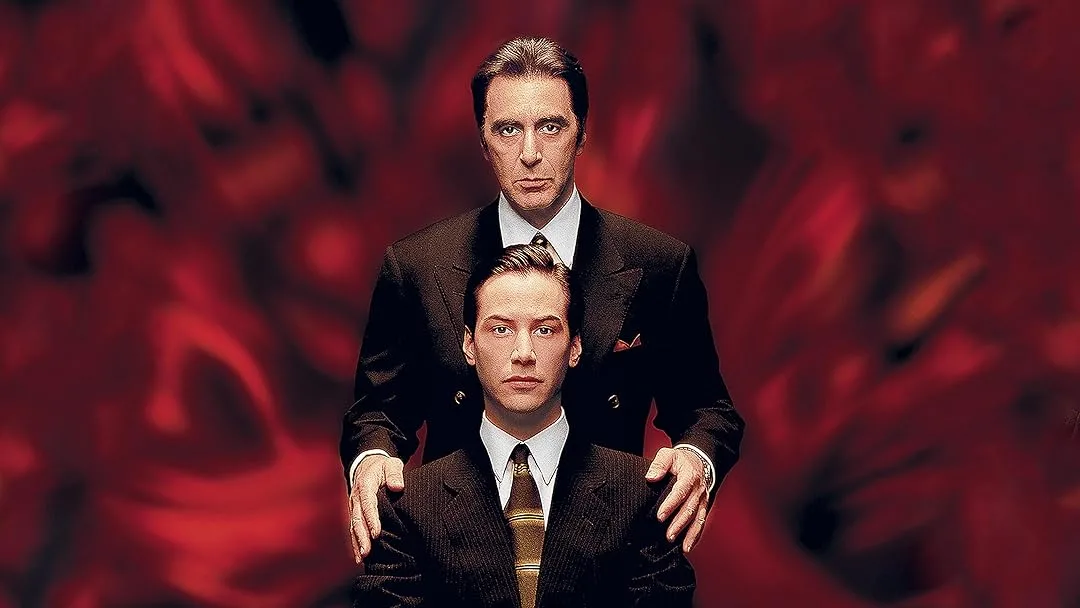
Let’s cut through the brimstone and bullshit—The Devil’s Advocate is the kind of unhinged, operatic, morally ambiguous horror-drama that could only exist in the 90s. A film where Al Pacino, operating at 150% scenery-chewing capacity, plays Satan as a Manhattan power attorney; where Keanu Reeves delivers courtroom monologues with his trademark “whoa” intensity; and where Charlize Theron’s descent into madness features the single greatest ugly-cry in cinema history.

This is “John Grisham by way of Hieronymus Bosch”—a $57 million theological panic attack that somehow got greenlit by Warner Bros. And goddamn, are we lucky it did.

As someone who once tried to replicate Pacino’s monologue style during a traffic court appearance (I lost the case but won the style points), I’m here to break down why The Devil’s Advocate remains one of the most fascinatingly flawed horror films ever made—and why its excesses are exactly what make it immortal.


⚖️ THE PLOT: CORPORATE SATANISM AT ITS FINEST

Act 1: The Faustian Bargain

  • Kevin Lomax (Reeves): An undefeated Florida defense attorney with a 64-0 record and a creeping moral emptiness.
  • The Offer: A position at the world’s most powerful law firm, headed by…
  • John Milton (Pacino): A man who definitely isn’t Satan (wink) but owns a penthouse that looks like a Nine Inch Nails video.
  • Sammy’s Take: “This is why you read the fine print on your relocation package.”

Act 2: The Descent

  • Mary Ann Lomax (Theron): Kevin’s wife, whose mental unraveling features:
    • Demonically possessed decorators
    • A haircut scene more traumatic than Requiem for a Dream
    • That mirror moment (you know the one)
  • The Cases: Milton assigns Kevin to defend:
    • A child murderer (because subtlety is for cowards)
    • A Wall Street predator (played by actual demon Craig T. Nelson)
  • Sammy’s Note: “The real horror? Manhattan real estate prices.”

Act 3: The Revelation

  • The Twist: Milton is literally the Devil (shocking no one except Kevin).
  • The Final Confrontation: Featuring:
    • Pacino monologuing for 7 uninterrupted minutes
    • Reeves doing his best “constipated epiphany” face
    • A naked demon woman licking Theron’s Oscar clip
  • Sammy’s Verdict: “Part Wall Street, part The Exorcist, all unhinged Pacino.”

🔥 WHY IT’S A RELIGIOUS EXPERIENCE (LITERALLY)

1. PACINO’S SATAN: A MASTERCLASS IN OVERACTING

  • His performance includes:
    • Whispering Latin in people’s ears
    • Delivering the “God is an absentee landlord” speech
    • That fucking laugh (somewhere between a hyena and a broken elevator)
  • Sammy’s Analysis: “He’s not playing Satan—he’s playing Satan’s TED Talk.”

2. THERON’S DESCENT: OSCAR-WORTHY BEFORE OSCARS

  • Her arc from sunny wife to shattered psyche features:
    • The haircut breakdown (method acting so raw it hurts)
    • The “bugs under the skin” scene (body horror at its finest)
    • That final scream (heard in hell, probably)
  • Sammy’s Hot Take: “Better than Monster. Fight me.”

3. THE PRODUCTION DESIGN: HELL AS A PENTHOUSE

  • Milton’s office: All black marble and gold, like a Bond villain’s panic room
  • The apartment: Shifts from yuppie dream to gothic nightmare
  • That painting: The one that moves when you’re not looking

4. THE THEMES: DEEPER THAN YOU REMEMBER

  • The Cost of Winning: Kevin’s 64-0 record comes at a soul-crushing price
  • The Seduction of Power: Milton doesn’t force evil—he makes you choose it
  • The Nature of God: That final speech still sparks theology debates

🎭 COMPARISONS: WHAT IT OWES (AND WHAT IT INFLUENCED)

AspectThe Devil’s AdvocateSimilar Works
Satanic PanicMore Wall Street than The OmenAngel Heart (1987)
Legal ThrillsA Few Good Men on hellfirePrimal Fear (1996)
Acting StylePacino at 11/10Scarface (1983)

Sammy’s Verdict: “It’s The Godfather meets Paradise Lost in an Armani suit.”


👿 THE FLAWS (BECAUSE EVEN SATAN ISN’T PERFECT)

  1. Keanu’s Accent: His Southern drawl comes and goes like a bad cell signal
  2. The Pacing: That 2hr 24min runtime feels like eternity (fitting, I guess)
  3. The CGI: The demon effects aged like milk in hell’s fridge

🕯️ HOW TO WATCH IT (LIKE A TRUE SINNER)

  1. Attire: Power suit (black, obviously)
  2. Beverage: Scotch (neat, like Milton takes it)
  3. Lighting: Candles (electricity is for mortals)
  4. Post-Movie Ritual: Call your mom (you’ll want to after Theron’s scenes)

💀 FINAL VERDICT: A HELLISHLY GOOD TIME

The Devil’s Advocate is the most 90s horror film ever made—excessive, pretentious, and utterly mesmerizing. It’s Pacino unleashed, Theron transcendent, and Reeves… well, trying his best. The script bites off more than it can chew, but when the result is this deliciously wicked, who cares about indigestion?

— Sammy
Currently practicing my closing arguments in the mirror (Milton-style)

🔥⚖️ PS: IF A JOB OFFER INCLUDES A “PENTHOUSE WITH ODD ART,” POLITELY DECLINE. ⚖️🔥

About the Author

Load next article The Devil’s Advocate (1997): Satanic Masterclass